Most of us are exactly one conversation away from the life we actually want. We have the blueprints, the garden beds mapped out, and the manuscript saved in a folder, yet we remain paralyzed. We are waiting for a “green light” from a world that doesn’t even know we’re standing at the intersection. We act as if there is a universal signal—a cosmic nod of approval—that will finally authorize our autonomy.
This is the permission trap. It is the internalized, almost childhood belief that we require a parental figure or a government agency to validate our most basic life choices. It’s a state of suspended animation where we hold our breath, hoping a board of strangers in a fluorescent-lit room will tell us that our own goals are “allowable.”
The weight of this trap is most heavy when we find ourselves begging for the right to live in homes we already own, on land we have already paid for. We’ve been conditioned to think of our agency as a gift bestowed by an authority rather than an inherent right. Once you realize that the approval you’re seeking is often arbitrary, the trap loses its teeth.

The Microscope is an illusion.
When we are younger, we move through the world as if every decision is under a microscope. We assume that neighbors, authorities, and peers are scrutinizing our every choice, ready to pounce on any deviation from the norm. This perceived scrutiny creates a heavy burden of anxiety that dictates our behavior before we even take a step.
As we mature, however, we realize that most people are far too consumed with the complexities of their own messes to watch ours with any real intensity. The people who remain obsessed with the lives and opinions of others are rarely the ones building anything of substance.
“The people most obsessed with what others think are often the most anxious, confused people in the room. They don’t want to ruffle any feathers; they’ve never built anything, and they definitely aren’t living free.”
Realizing that nobody cares as much as you think they do isn’t a lonely thought—it is the ultimate liberation. It allows you to stop performing and start producing.
The Machine Doesn’t See You
Seeking permission from bureaucratic agencies is frequently a dead end because of the nature of the institutions themselves. When you stand before a zoning board or a county official, you aren’t talking to a person who is weighing your individual freedom or the practicalities of your life.
You are talking to a cog in a machine. They are following rules written decades ago by people who are long gone, enforced by agencies that primarily exist to justify their own continued existence. These regulations were never designed with your freedom in mind; they were designed for uniformity and administrative ease. Their refusal isn’t a moral judgment on your plan; it is simply the machine functioning as it was programmed. When you stop seeing the “No” as a final authority and start seeing it as a mechanical output, the path forward becomes much clearer.
The Case for the Backyard Chicken
There is a widening gap between outdated local ordinances and the current reality of our world. Many municipal codes were written “pre-COVID,” in a time before egg prices spiked or bird-flu culls depleted the food supply. In the modern context, requiring permission to keep a few hens for your family’s survival isn’t just bureaucratic—it’s irrational.
A few months ago, a drugged, belligerent trespasser wandered onto my property and later reported me to the police for having “livestock.” When the officer arrived, he didn’t see a criminal enterprise; he saw a family feeding themselves. He asked, “Is this a farm?” I told him it was and that we’d been selling at markets for five years. He thought it was cool.
I did some digging and discovered the “Right to Farm” laws in Pennsylvania. The state court has actually ruled in favor of families keeping pet chickens when towns tried to take them away. Because the state wants food production, minor complaints and outdated ordinances against a legitimate farm operation are often void. Sometimes, the law is on your side even when the local clerk isn’t.
The Neighbor Protocol
Navigating community living without formal permission doesn’t mean being a nuisance; it means prioritizing human relationships over bureaucratic ones. Most “enforcement” starts with a complaint from the person living next door. If you want to “do the thing” without a permit, the agency requires a bit of radical common sense:
- Prioritize the Human Connection: Talk to your neighbors first. Most people don’t care about the rules until they feel ignored or inconvenienced.
- Manage the Nuisance, Not the Animal: If your coop smells, that’s a management problem, not a chicken problem. Keep it clean, and the “law” rarely shows up.
- Scale for Your Needs: There is a massive difference between six hens for your kitchen and a commercial operation that disrupts the peace.
- The No-Rooster Rule: Nothing gets you reported faster than a 4:00 a.m. wake-up call. If you need eggs and quiet, get ducks. They don’t crow, they’re quieter than chickens, and they lay consistently.
The Myth of the Gatekeeper
This thread of agency runs through more than just our backyards; it defines our creative and professional lives. The age of the gatekeeper—the publisher, the “expert,” the friend who needs to help—is over.
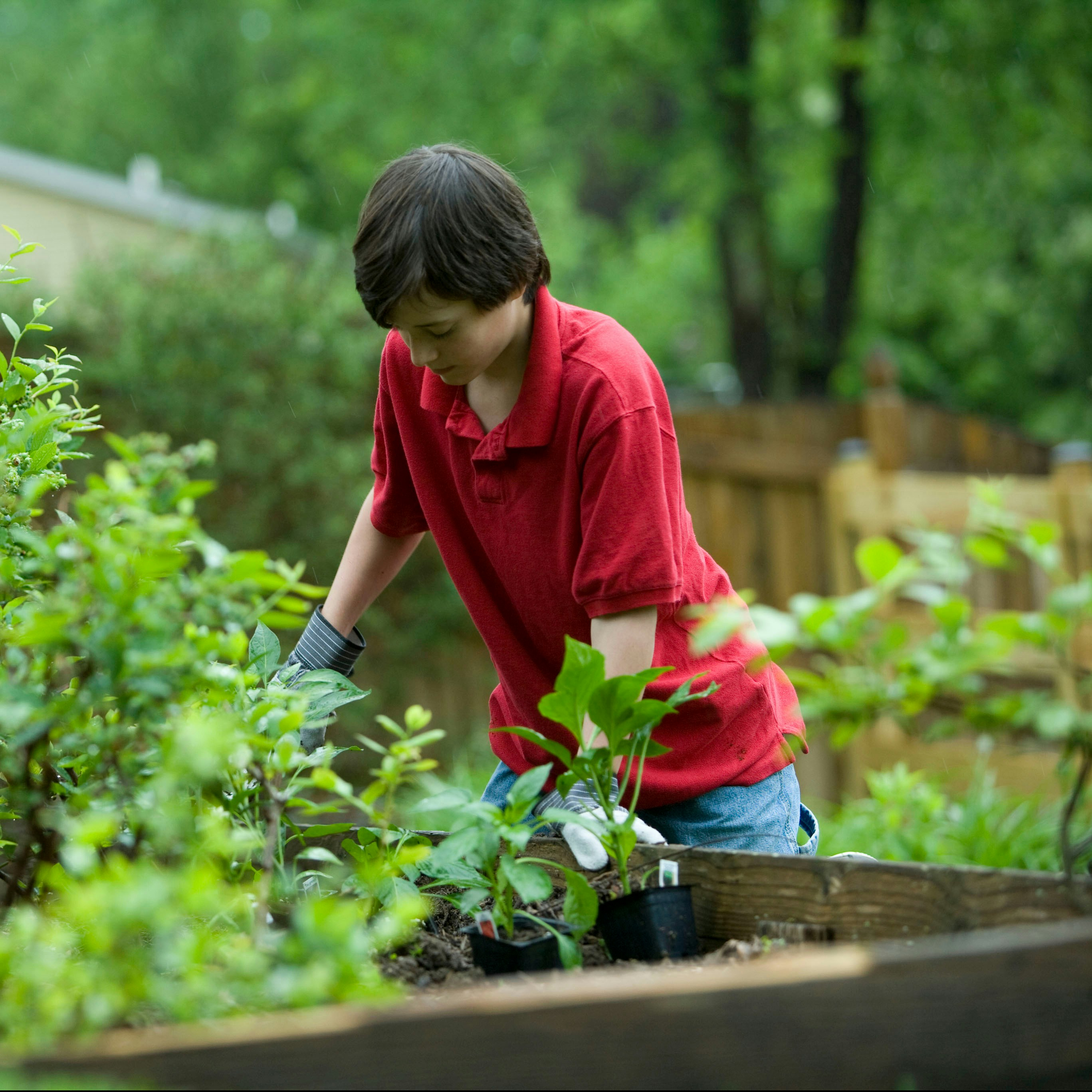
When I was twelve, I wrote a book about a young hockey player and mailed it to every publisher I could find. They all said no. Decades later, when I wanted to write a gardening book, I didn’t wait for a legacy publisher to tell me I was “ready.” I published it myself.
The same was true for my YouTube channel. I spent years waiting for someone to start it with me, waiting for the “perfect” gear. My first videos were so bad I genuinely can’t watch them now, but I only found my voice by starting poorly. The only real regret in the pursuit of autonomy is usually how long we waited for a signal that was never going to arrive.
Reclaiming the Fundamentals
We have reached a point where fundamental rights—gardening on your own land, collecting rainwater, or educating your own children—have been reframed as privileges requiring government consent. This shift is particularly galling when the system reaches into your life without asking.
Recently, our county hired a company to reappraise property taxes. They measured every structure on our land, including an existing shed with a leaking roof that needs a total replacement. It didn’t matter that the building was falling down; the “number” went up, and I was expected to pay more. If the system can reach into my pocket for a leaky shed without my consent, I have no qualms about using my land to feed my family without theirs.
“Your children are not the state’s; they’re not the government’s; they’re yours. And the idea that you need someone’s permission to educate them is one of the most thoroughly accepted lies of our time.”
Building a Parallel World
Building a life that needs the system less isn’t about being a criminal; it’s about being “done.” It is a transition from participating in a system that doesn’t serve you to building a parallel world where you provide for yourself, raise your own children, and manage your own land.
We are tired of pretending that everything is fine while the world is on fire. Going through the motions of a “normal” that stopped existing years ago doesn’t make you a good citizen; it makes you complicit in your own stagnation. I’m not interested in being angry or violent; I’m just finished building someone else’s system when I could be building my own.
When you stop waiting for permission, you may find that nothing catastrophic happens. Instead, you find a life lived outside the lines someone else drew for you. It is a life that prioritizes reality over the rulebook.
Why does living a life you already own require anyone else’s permission at all?





Leave a comment