1. The Service-Provider’s Ceiling
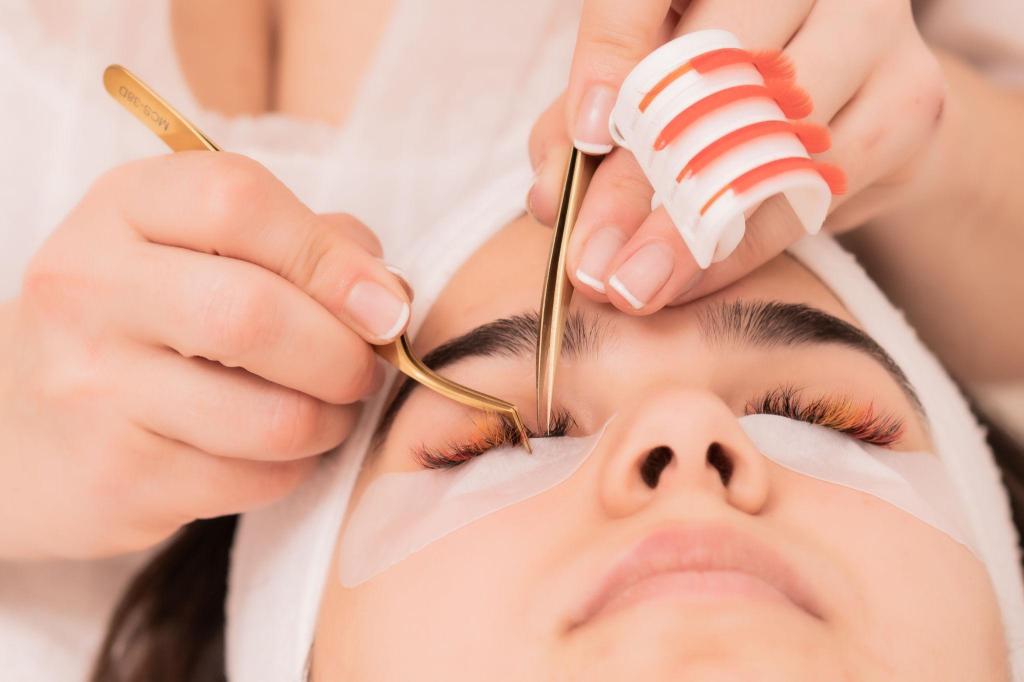
If you are a makeup artist, you already know the grind: the heavy kits, the travel, and the physical exhaustion of standing for hours doing back-to-back faces. Traditional artistry is high-effort and low-leverage because your income is capped by your physical presence. There are only so many hours in a day, and there is a hard limit to how many clients you can squeeze in before you burn out.
I’m about to put you on game: It is time to pivot from a labor-based model to a virtual expertise model. The secret to hitting those $10,000 months isn’t finding more clients; it’s decoupling your income from your physical labor. In the creator economy, your expertise is more scalable than your hands. By shifting to a digital-first approach, you can stop trading your time for money and start selling your wisdom to the masses.
2. Decoupling Income from Physical Presence
The fundamental shift requires moving from one-on-one service to digital product creation. Instead of “snatching” one face at a time, you record your process once and sell it to thousands. This is how you move your business onto “autopilot.”
Don’t overthink the production—whether it takes you seven days or three weeks to record the perfect, high-quality tutorial, remember that you are creating a lifetime asset. Once that video is live, it generates revenue without you ever having to leave your house or touch another person’s face.
“Turn your makeup artist business into a digital business that makes you money while you sleep.”
Decoupling your income from your physical presence is the ultimate unlock for professional longevity. When you stop being the laborer and start being the digital creator, you eliminate the physical toll of the industry while blowing the ceiling off your earning potential.

3. The Value Logic of the $99 Video
The pricing strategy here is surgical. By pricing your digital tutorial between $79 and $99, you are creating an irresistible “Value for Life” proposition.
Think about it: a client typically pays $100 or more for a single professional application. By purchasing your $99 video, they are learning how to “beat their own face” like a pro forever. They save $100 every single time they have an event because they no longer need to hire you. The curriculum should focus on the heavy hitters that every consumer wants to master:
- Contouring and professional-grade blending
- Eyeshadow application that pops
- Strategic lipstick and concealer placement
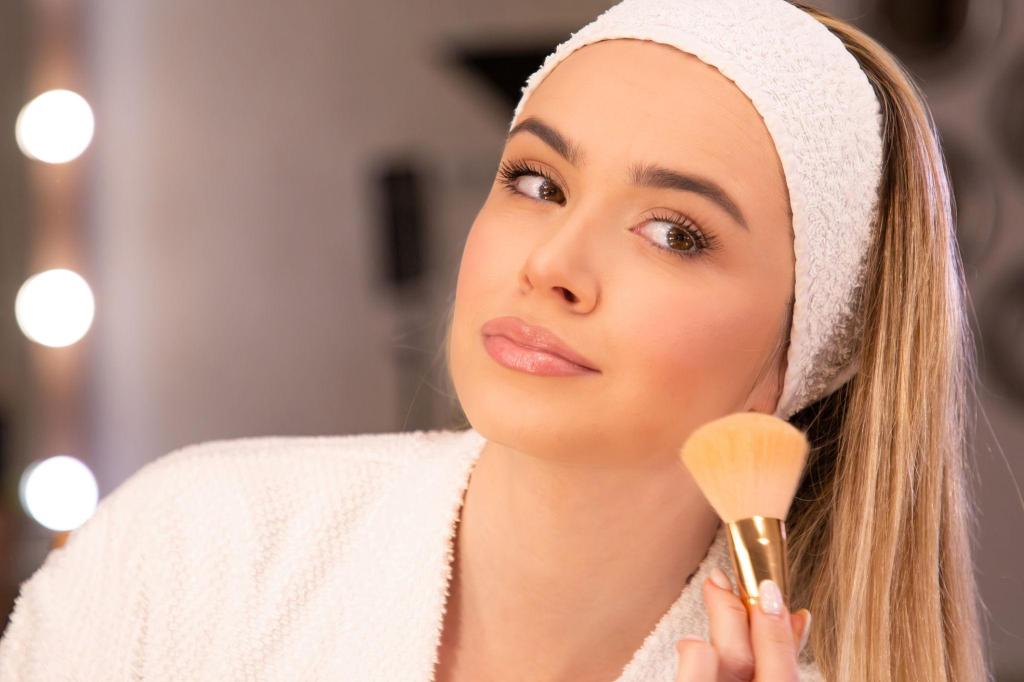
- Proper blush techniques for a snatched look
4. Dual-Stream Monetization: DIYers vs. Aspiring Pros
To maximize your revenue and hit that $10k goal, you need to speak to two distinct audiences.
The DIY Consumer
These are everyday people who want the “MUA look” without the MUA price tag. They want to know your secrets so they can look flawless for their own birthdays, weddings, and nights out. They are paying for the confidence of mastering their own face.
The Masterclass for Students
The “Bonus” play is to target aspiring makeup artists. You don’t need a fancy studio to record this. Grab your sister, your cousin, or a friend and beat their face for free just to get the content. Record the process, then go back and add a professional voiceover walking your virtual students through the technical nuances and the business of being an MUA. You are teaching them how to do makeup the right way while showing them how to build a brand.
5. Enhancing Digital Products with “Toolkit” PDFs
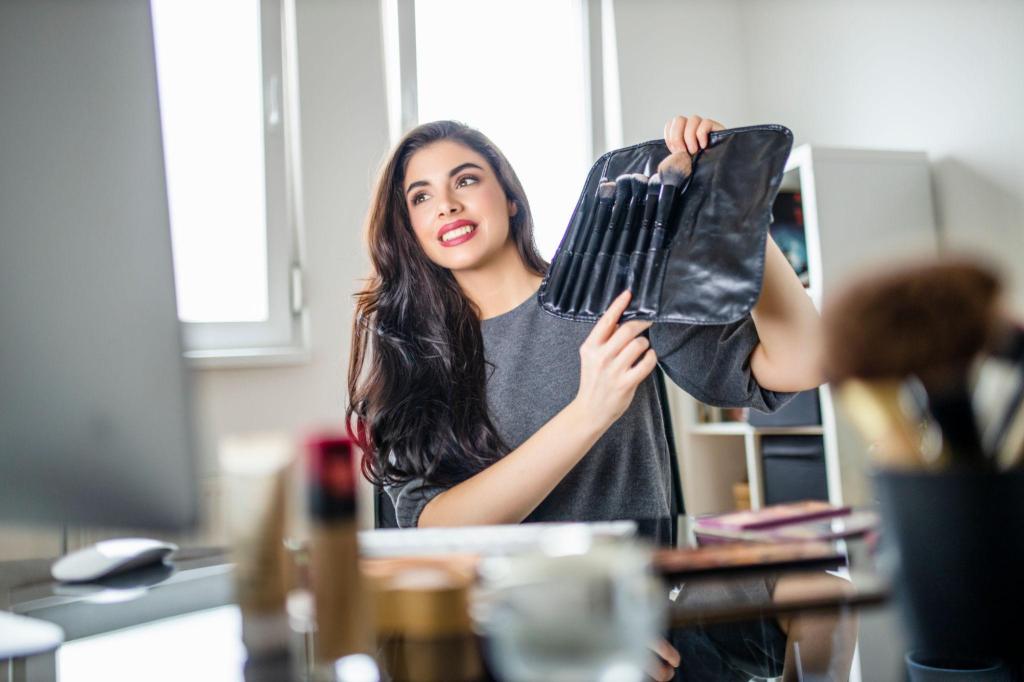
A video shows them how to do it, but a PDF tells them what to buy. Adding “Toolkit” supplements provides tangible value and establishes your authority. This is where you share your “expertise, wisdom, and knowledge” to help them navigate the overwhelming beauty aisles.
Your PDF resources should include:
- The Master Inventory: A checklist for building a complete, pro-level makeup kit.
- High-Low Alternatives: Give them the “cheat codes” by listing drugstore gems from Target or Walmart that perform just as well as high-end luxury brands.
- Inclusive Product Guides: Ensure your recommendations are inclusive. List your favorite products for every skin tone—from the “Ivory girls and Beige girls to the Chocolate girls.”
6. The Implementation Stack: Content and Conversion
To drive traffic to your digital products, you need a high-energy content funnel. Use 10 to 30-second social media clips that showcase the “before and after” or a specific technique that snatches the face. These clips serve as the bridge, leading followers to a Stan Store link at the top of your profile.
Stan Store is the go-to for this model because it allows you to sell video files directly as digital products with zero friction. However, your content has to be top-tier. High-quality lighting and clear visuals are non-negotiable—if your video looks cheap, nobody will believe your expertise. You have to show them you’re a master of the craft.
“I’m talking about you, a makeup artist, baby, and you know what the fuck you’re doing… people are looking for your expertise, wisdom, and knowledge.”
7. Conclusion: The Future of the Virtual Artist
The transition from a physical service provider to a virtual expert is the most powerful move an artist can make. This is the democratization of beauty secrets—you are taking the “gatekept” knowledge of the industry and selling it back to the world. By digitizing your skills, you stop being a laborer and start being an entrepreneur.
Sis, it’s time to get that bag. You can share this strategy with your fellow MUAs so everyone can eat, but the first step is yours to take.
As you look at your kit and your calendar, ask yourself: Which part of your physical skill set are you going to digitize today to run it up to your first $10,000 month?







Leave a comment