1. The Modern Tech Paradox
Our digital lives in 2026 are defined by a deceptive elegance. We carry devices powered by silicon that rivals yesterday’s supercomputers, offering seamless AI integration and intuitive interfaces. Yet, this “elegant” digital experience remains tethered to a physical system of waste that is profoundly inelegant.
Historically, the industry has ignored the heavy cost of this cycle. Landmark research from the Green Alliance revealed a grim baseline: as far back as 2010, approximately 89% of mobile devices in the US ended up in landfills. Decades later, despite the rise of “green” marketing, millions of functional smartphones still languish unused in drawers. This constant cycle of upgrades is not a technological necessity; it is a failure of our physical systems. To find the path forward, we must look at the counterintuitive takeaways from circular economy research and the current state of the 2026 smartphone market.
2. The “One-Year” Sustainability Hack
The single most impactful action a consumer can take today is surprisingly simple: keep your current device in use for just one additional year.
Manufacturing remains the primary driver of a device’s environmental toll, accounting for 60% to 85% of its total impact. Because the “embodied energy” is so high—concentrated in complex integrated circuits and specialized displays—extending a device’s life is the only way to spread that carbon cost. Foundational data from the Green Alliance proves that keeping a smartphone in use for just one extra year reduces its lifetime CO2 impact by a massive 31%.
“The technologists that created mobile computing started with a gloriously blank canvas. They used their creativity to design elegant, useful, and universally desirable new devices and systems… But these ingenious people have sent their devices out into a world whose physical systems are designed with none of the elegance of their digital counterparts.”
3. Why Yesterday’s Flagship Beats Today’s Budget Model
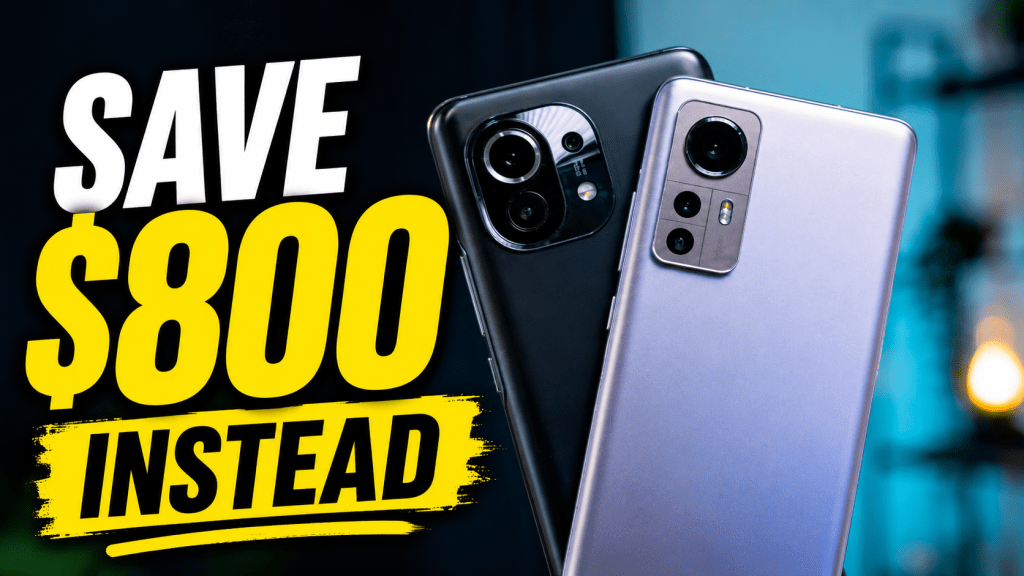
In 2026, many consumers are tempted by new budget-tier “entry-level” phones. However, the value proposition is a mirage. A two-year-old flagship model—built with premium materials and superior sensors—almost always provides a more “stellar” experience than a new $120 “burner.”
This is a lesson from history that remains true today. In the mid-2010s, a used premium Samsung could easily outpace a brand-new budget Motorola. Today, a 2024 flagship provides a high-fidelity experience that makes 2026 budget models feel like “manufactured e-waste”—plagued by stuttering performance and inferior optics.
A Classic Case Study: The Flagship Value Gap
| Feature | Samsung Galaxy SIII (Premium, 2012) | Motorola Moto E (Budget, 2014) |
| Display Resolution | 720 x 1280 pixels | 540 x 960 pixels |
| Pixel Density | 306 ppi | 256 ppi |
| Camera | 8 megapixels | 5 megapixels |
| Market Truth | Superior specs for £70–£140 | “Budget” specs for £90 |
By choosing a high-end device from 2024, you avoid the “trap options” of 2026—the underpowered mid-tier CPUs that are destined to become sluggish after a single OS update.
4. The “Muddy” Window: How Software Gatekeeping Kills Longevity
The greatest barrier to a circular economy isn’t hardware failure—it’s intentional software gatekeeping. Look no further than the 2026 iPhone 17e. Under the hood, it carries the A19 chip, an “absurdly” powerful beast of a processor. Yet, Apple has trapped that performance behind a 60Hz display.
For users accustomed to modern high-refresh rates, using the 17e feels like “scrolling through mud.” This is the modern face of “software-led longevity.” By withholding 120Hz ProMotion, manufacturers create an artificial visual bottleneck that makes even the fastest silicon feel sluggish. Historically, 20% of users have upgraded solely because software support ended; today, they upgrade because they are “forced to stare at a 5/10 window” that artificially limits the hardware’s potential. This gatekeeping is a design choice intended to drive you toward more expensive flagships, regardless of whether your current device is functional.
5. Repairability is a Design Choice, Not an Accident
Whether a device remains “worth” repairing depends on “minor modularity.” Simple design choices—like making the battery and screen accessible—can extend a device’s economic life to seven years.
Manufacturers have historically weaponized design to discourage repair. For example, replacing a screen on an iPhone 3GS took 15 minutes, whereas the less modular HTC One required a grueling 90 minutes. This sixfold difference in labor cost is what dictates whether a device is refurbished or trashed. When companies like Dell embrace repairability, providing interactive video teardowns, they aren’t just being helpful; they are securing brand loyalty. 95% of users report they are more likely to stay with a brand after a successful repair.
“We have more people that are able to join the party when we have a trade-in, because in essence it winds up being used by…somebody else in that country that is very price-sensitive or somebody in a different country.” — Tim Cook, Apple CEO
6. The “Hidden” Economy: Learning from India’s Blueprint
While the US and UK struggle with device recovery, the Indian market offers a more efficient blueprint for the West to emulate. In India, a decentralized repair market and a robust culture of “parts harvesting” ensure that fewer phones are left stuck in drawers.
When a device is truly defunct in India, it is stripped for components rather than trashed. This existing network of small electronics repairers represents a massive competitive advantage in a circular economy. To move forward, Western markets must shift away from centralized, exclusionary repair models and develop the same decentralized infrastructure. However, this global flow of used tech comes with a duty: manufacturers must invest in recycling infrastructure in emerging markets to ensure they do not become “e-waste dumping grounds.”
7. The $58 Billion Oversight
The economic potential sitting in our homes is staggering. There is an estimated $58 billion worth of unused smartphones sitting in drawers across the US and UK alone. This isn’t just waste; it is a massive loss of consumer purchasing power.
As we move toward “servitization”—paying for performance and access rather than just a physical slab of glass—the industry must change. The question for you, the consumer, is one of power: Do you truly own your device if you are barred from repairing its hardware or unlocking its software’s full potential? Reclaiming the “gold mine” in your junk drawer isn’t just about sustainability; it’s about reclaiming ownership of the technology you have already paid for.
Your support is needed: https://www.paypal.me/arkjet
Download The First Half: Stop Relying on Discipline. Start Building Systems That Last.
Read awesome articles at https://arksale.in/
Gildan Men’s Crew T-Shirts: https://amzn.to/4epFuFy
Make text-to-videos: https://invideo.sjv.io/AWNYV1
Security Camera Wireless Outdoor: https://www.amazon.com/dp/B0FDBBW27M?ref=t_ac_view_request_product_image&campaignId=amzn1.campaign.3PB5J93S82RCQ&linkCode=tr1&tag=ark3330a-20&linkId=amzn1.campaign.3PB5J93S82RCQ_1782362390909
Secure Wi-Fi 7 mesh router for connected devices: https://www.amazon.com/dp/B0D526GSYY?ref=t_ac_view_request_product_image&campaignId=amzn1.campaign.2Y0KQSZRPPKA7&linkCode=tr1&tag=ark3330a-20&linkId=amzn1.campaign.2Y0KQSZRPPKA7_1782362861421
Professional AI CCTV surveillance kit for home or business: https://www.amazon.com/dp/B0B8HLXC8Y?ref=t_ac_view_request_product_image&campaignId=amzn1.campaign.AMV8LKUS2PCK&linkCode=tr1&tag=ark3330a-20&linkId=amzn1.campaign.AMV8LKUS2PCK_1782362998897
Garmin inReach Mini 2 Satellite Communicator: https://amzn.to/4w6pn5w
Garmin fēnix 8 AMOLED Sapphire Titanium GPS Smartwatch:
GoPro HERO13 Black Action Camera:
Jackery Explorer 1000 v2 Portable Power Station:
Money Belt for Travel: https://amzn.to/4akewg8
Amazon Affiliate Disclosure
Some of the links in this description are Amazon affiliate links. This means that if you purchase through these links, I may earn a small commission at **no additional cost to you**.
As an Amazon Associate, I earn from qualifying purchases. These commissions help support the channel and allow me to continue creating free content.
I only recommend products that I believe provide value and are relevant to the topics discussed in this video. Your support is greatly appreciated!






Leave a comment