1. Introduction: The Invisible Roommate
We spend roughly a third of our lives enveloped in our mattresses, yet they remain the most neglected “laundry” items in the modern home. While we wouldn’t dream of wearing the same clothes for months or leaving our bedsheets unwashed, the mattress beneath them remains a silent, stationary collector of biological debris. It is easy to ignore because the buildup is invisible to the naked eye, but once you understand the molecular reality of what is accumulating in your sleep environment, it becomes clear that deep cleaning is more than a chore—it is a non-negotiable requirement for a truly hygienic sanctuary.
2. The 1.5-Pound Problem: Why Vacuuming is the Most Important Step
The foundation of a clean mattress is the aggressive removal of “dry soil.” Here is a terrifying scientific reality: as humans, we shed approximately 1.5 pounds of dead skin cells every single year. Given the sheer volume of time spent in bed, a staggering percentage of that organic matter becomes embedded deep within your mattress fibers.
To address this, the first and most critical step is a thorough vacuuming. However, a standard “once-over” won’t suffice. You must adhere to these specialist protocols:
- The HEPA Requirement: You must use a vacuum equipped with a HEPA filter. Without it, you are simply suctioning up microscopic skin cells and allergens only to exhaust them back into the room’s air.
- Use an Upholstery Tool: This tool concentrates suction and allows for a deeper reach into the fabric weave.
- Avoid the Roller Bar: Never use a standard floor head with a rotating roller bar on a mattress. The mechanical action can snag loose threads and permanently damage the mattress ticking.
Vacuuming must always precede any wet cleaning methods. If you apply liquid to a mattress that hasn’t been thoroughly vacuumed, you aren’t cleaning; you are creating “mud” at a microscopic level, forcing liquified dust deeper into the internal padding.
“In my experience many times vacuuming is the step that is either forgotten or skipped altogether, and this is a huge fail because vacuuming is one of the most important parts of the overall cleaning pie.”
3. The Brown Bottle Secret: Using Hydrogen Peroxide Correctly
For treating organic stains like sweat or blood, 3% hydrogen peroxide (HP) is your primary chemical ally. Its efficacy, however, is a matter of chemistry and timing.
- The Science of the Brown Bottle: HP is highly unstable and sensitive to light. Exposure to photons causes it to decompose into simple water and oxygen gas. This is why it is sold in opaque brown bottles. If you transfer it to a clear spray bottle, it loses its “fizzing” power—the very process where escaping oxygen gas mechanically lifts stains from the fibers—and becomes useless.
- Watch the Expiration: Once opened, HP has a shelf life of only one to six months. Mark the date of opening on the bottle to ensure you aren’t just spraying expensive water on your mattress.
- The Microfiber Advantage: When wiping away the HP, always use a microfiber towel. Unlike cotton, microfiber is engineered with a split-fiber structure designed to grab, hold, and extract debris from the surface rather than simply pushing it around.
- Specialist Tip: Most standard spray nozzles use the same threading as the brown bottle’s cap. Thread a nozzle directly onto the original bottle to maintain its light-blocking integrity.
4. The Baking Soda Myth: Why Your Favorite “Hack” Might Be Ruining Your Vacuum
The internet is rife with “hacks” suggesting you sprinkle baking soda over your mattress to deodorize it. As a hygiene specialist, my advice is firm: stop. While baking soda is a decent odor absorber, the practice is flawed for two reasons:
- Inefficiency: It creates a massive powdery mess that is nearly impossible to fully extract from the quilted top of a mattress.
- Mechanical Failure: Baking soda particles are so fine they can bypass standard filters and enter your vacuum’s motor. This leads to electrical and mechanical failure, which is why most manufacturers explicitly advise against it. It is a “hack” that saves pennies but costs you a vacuum cleaner.
5. Breaking Down the “Salty” Truth: Why You Need Enzyme Cleaners
Standard soaps merely mask odors; they fail to address the chemical reality of biological accidents. When urine or pet waste dries, it leaves behind concentrated organic salts. These salts are the source of lingering odors.
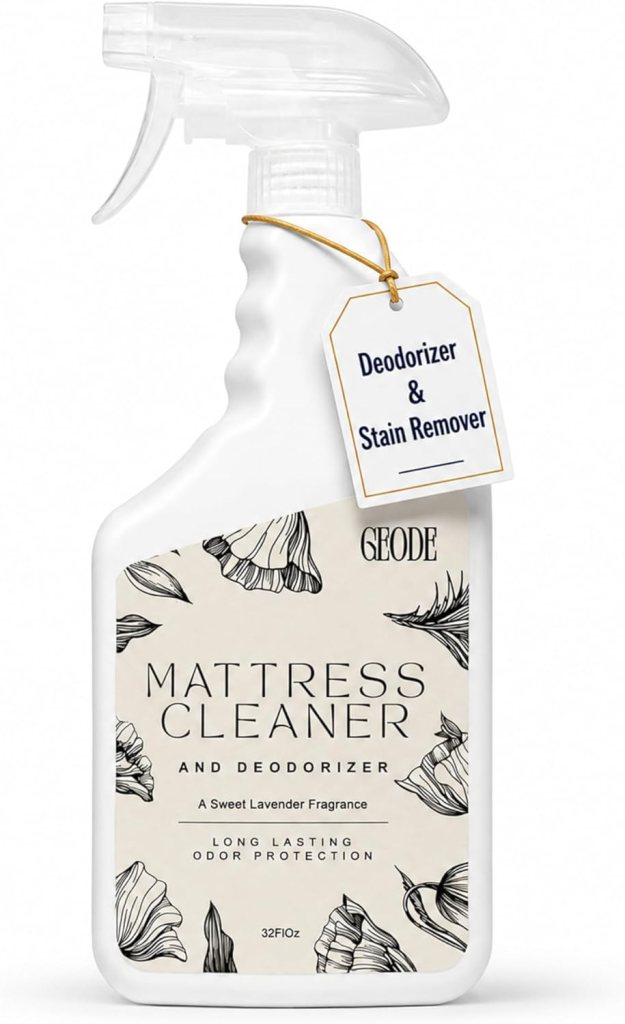
To eliminate them, you must use an enzyme cleaner (such as Rocco and Roxy). These products contain biological catalysts that “digest” the organic salts, breaking them down into odorless components.
- Dwell Time: Enzymes are not instant. They require “dwell time” to biologically process the stains. Always follow the label instructions and allow the solution to work before you attempt to dry or extract it.
6. The “Mesom-meter” and the Art of Extraction
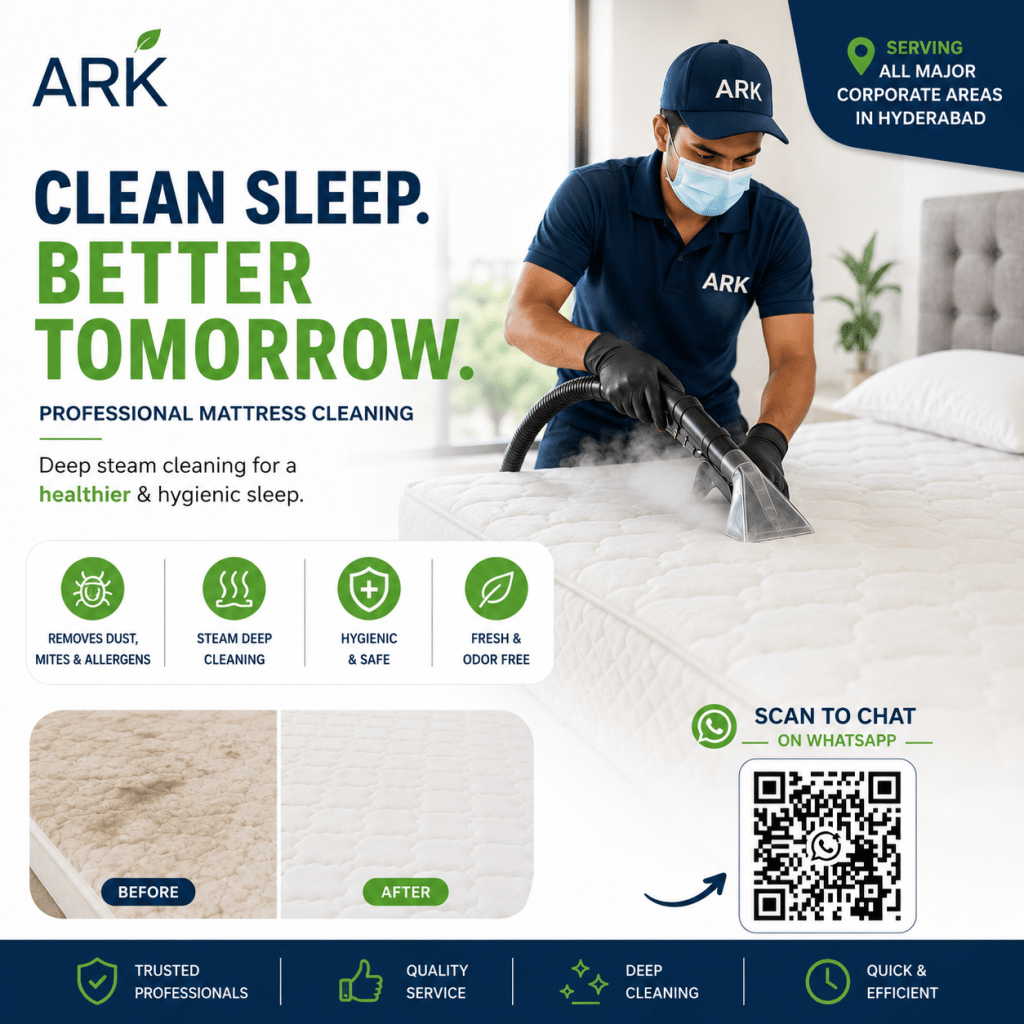
In the professional world, we use the “Mesom-meter”—a proprietary scale from 1 to 10—to assess soil density. A “1” is a pristine showroom floor; a “10” is a hygiene disaster. For any mattress scoring a 5 or higher, mechanical extraction is required.
The Extraction Protocol:
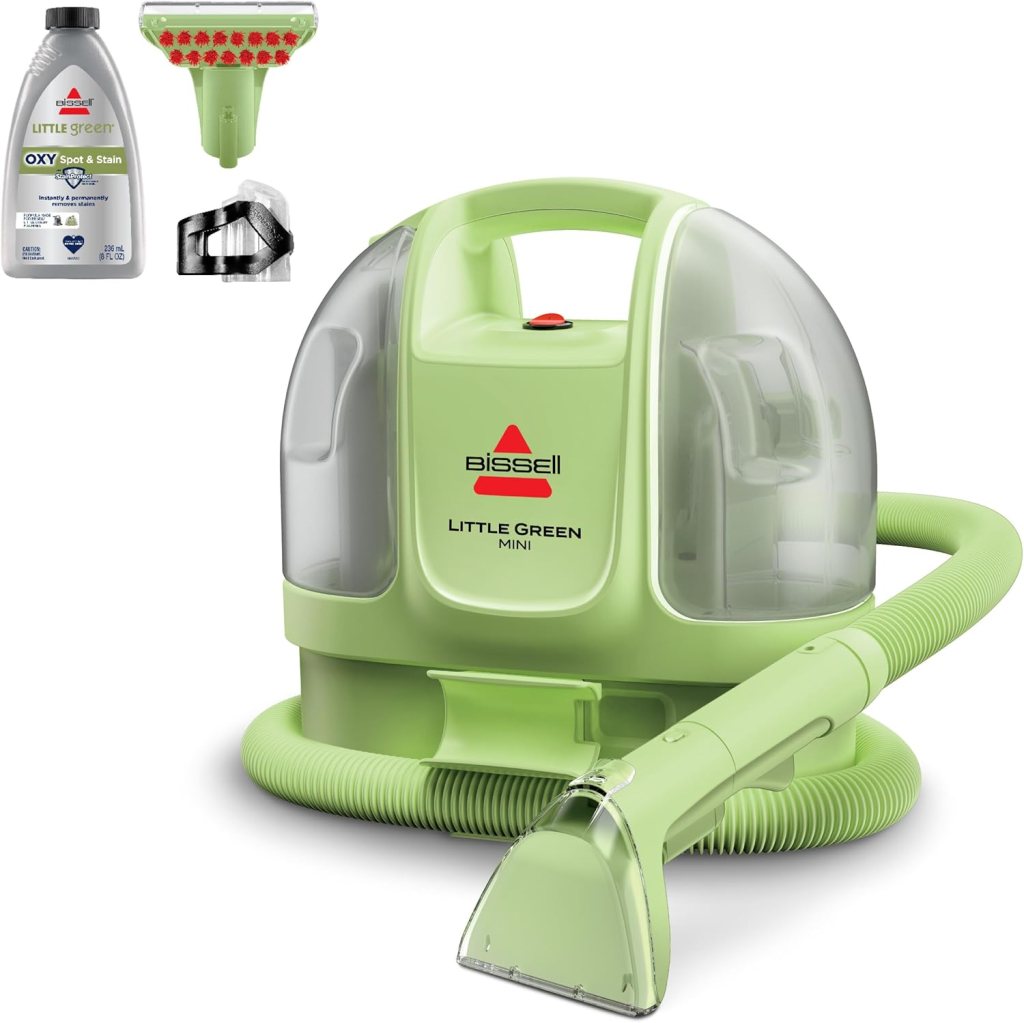
- Water Only: When using a spotter machine (like a Hoover Clean Slate), do not put soap in the tank. Use water only. The pre-treatment (hydrogen peroxide or enzymes) has already done the chemical work; the machine is strictly there for the “flush and pull.”
- Layer-by-Layer Cleaning: Stubborn, deep-set stains often require multiple passes. Do not attempt to remove a year’s worth of soil in one go. Treat, extract, and repeat, cleaning “layer by layer” to avoid soaking the core.
- The “Less is More” Rule: Excess moisture is the enemy, leading to internal mold. Perform several “dry passes” with the vacuum tool after each wet pass to ensure you’ve extracted every possible drop of moisture.
7. The Ultimate Barrier: Prevention and Maintenance
Maintaining a hygienic sleep environment requires a shift from reactive cleaning to strategic planning.
- Strategic Planning: Always perform your deep cleaning in the morning. This provides the mattress a full day for evaporation to occur, aided by fans or open windows, ensuring the core is bone-dry before bedtime.
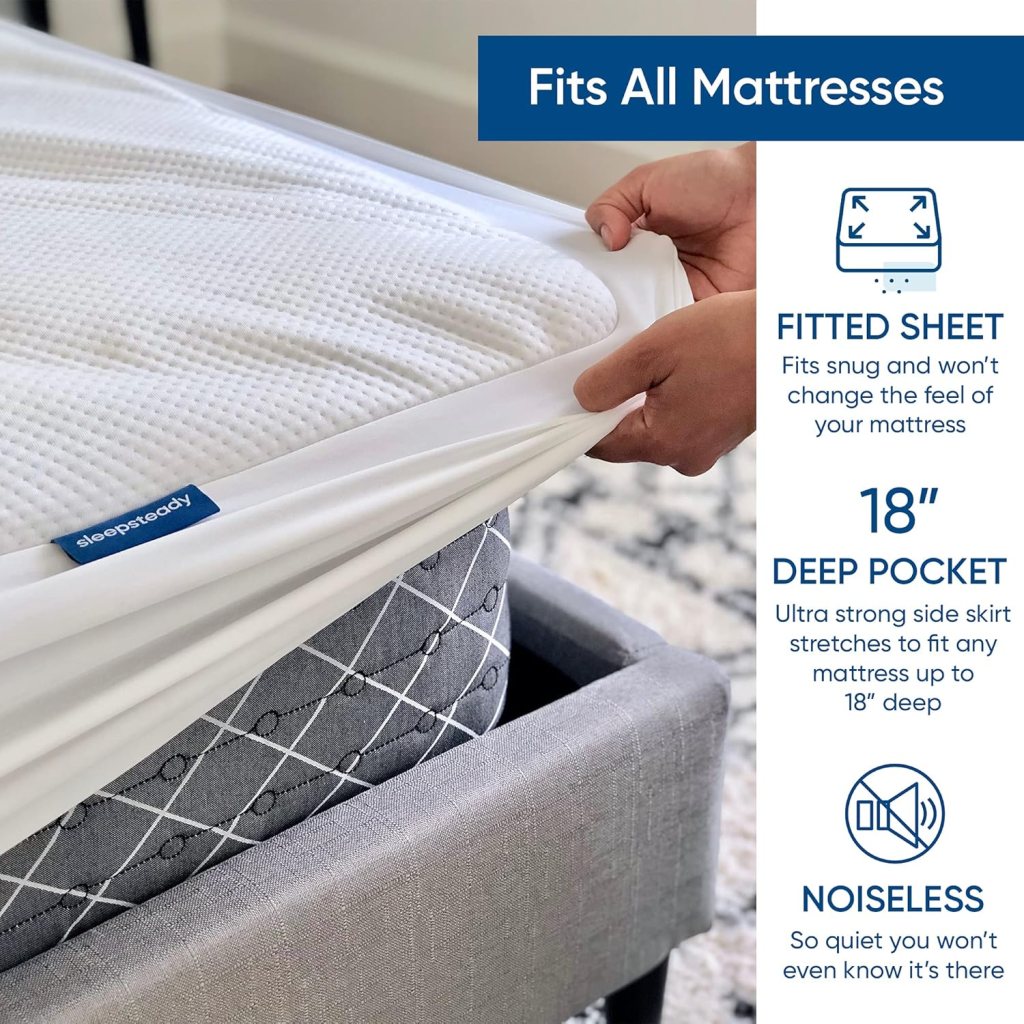
- The Non-Negotiable Mattress Protector: This is your first line of molecular defense. A high-quality protector creates a physical barrier against sweat, skin, and spills.
- Monthly Vacuuming: Keep the “dry soil” at bay with a monthly HEPA-filtered vacuuming session.
- Rotation Schedule: Rotate or flip your mattress every 3 to 6 months to ensure even wear and prevent the accumulation of debris in specific pressure points.
8. Conclusion: A Fresh Start
A clean mattress is the foundation of a healthy home. By moving away from ineffective DIY “hacks” and embracing the science of enzyme breakdown and proper HEPA extraction, you transform your bed back into a true place of rest.
Think back to your own bedroom. Beyond the fresh sheets and the plush pillows, when was the last time you truly addressed the “invisible roommate” living in your mattress? A deep clean isn’t just about aesthetics—it’s about the quality of the very air you breathe while you sleep.








Leave a comment