1. Introduction: The Dinner-Time Glare
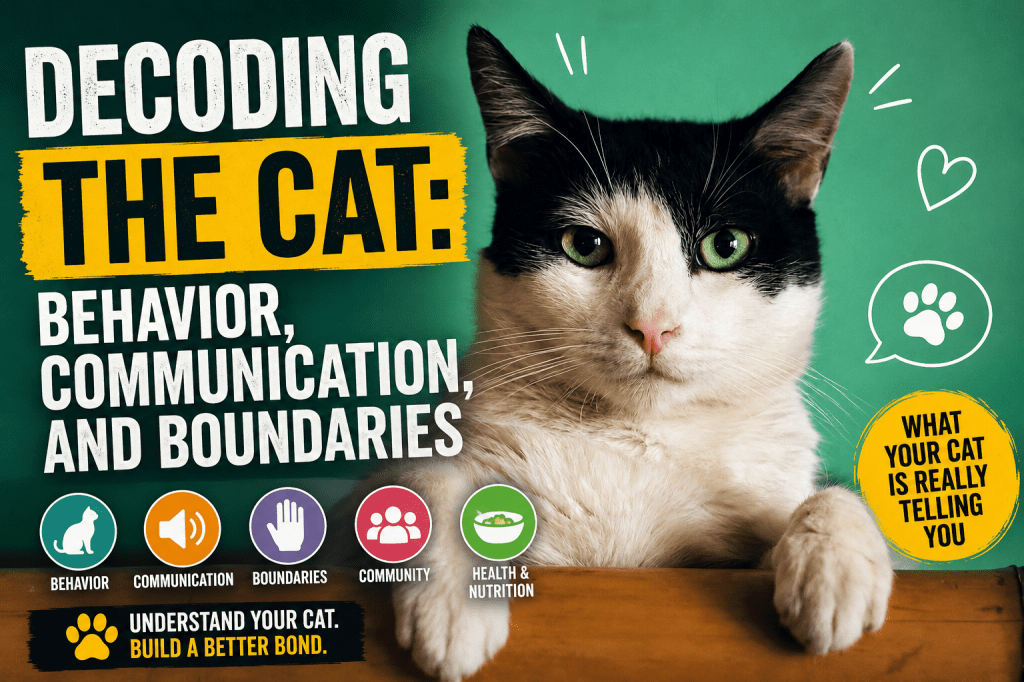
It is a tableau familiar to anyone living under the roof of a feline: you arrive home forty-five minutes past the scheduled feeding time to find your cat sitting in the center of the kitchen, fixed in a stare of such icy, concentrated judgment that it feels personal. In that moment, we almost instinctively reach for human vocabulary. We tell ourselves the cat is “mad,” “spiteful,” or acting like a “jerk.”
As a feline ethologist who also spends far too much time analyzing the “online cat-industrial complex,” I am here to tell you that you are misreading the room. While we have invited these animals into our beds and our memes, they remain “aliens” operating on a biological frequency entirely distinct from our own. When we project human spite onto an animal that lacks the cognitive architecture for revenge, we do more than just misinterpret a glare; we actively degrade the quality of their care. The language we use—labeling a cat “naughty” versus “communicative”—is often the difference between a timely medical diagnosis and a relationship built on resentment.
2. The “Spite” Myth: It’s Not Revenge, It’s a Red Flag
When a cat leaves a “present” on your pillow while you are on vacation, the anthropocentric impulse is to call it a calculated emotional attack. However, Dr. Geri Katz and other feline experts are adamant: cats simply do not possess the emotion of spite. What we perceive as “attitude” is almost always a desperate attempt to communicate stress, fear, or physical agony.
By dismissing behavior as a character flaw, we create an emotional barrier that delays vital help. Behavioral shifts are the feline equivalent of a 911 call.
“Urinary tract disease, arthritis, dental pain, gastrointestinal discomfort, and cognitive changes can all present as behavior changes that are misinterpreted as attitude problems. Labeling behavior emotionally can delay diagnosis and treatment.” — Dr. Ezra J. Ameis, founder of Paw Priority.
If your cat is “acting out,” they aren’t trying to hurt your feelings; they are likely trying to manage a body that is hurting them.
3. Dogs are Books, Cats are Bytes: The Secret of Digital Dominance
There is a profound semiotic reason why dogs dominate the world of print—anchoring countless 300-page best-selling memoirs about loyalty—while cats have claimed undisputed sovereignty over the digital frontier. Dogs are from books; cats are from bytes.
In the early days of the web, the cat became the mascot for “digital immigrants” and hackers because they represented a “pointless online sociability” that mirrored the outsider culture of the internet. This isn’t just about cute pictures; it’s what scholar Ethan Zuckerman calls the “Cute Cat Theory” of digital activism. Governments find it difficult to censor political dissent when it is woven into the same platforms people use to share feline memes; to block the activism is to block the cats, and no government wants to deal with the “Trojan Horse” backlash of a billion angry cat lovers.
Even the Google X-Lab’s high-level AI, when left to its own devices to scan 20,000 YouTube thumbnails, essentially “invented” the concept of a cat face without being told what a cat was. We are drawn to them online because they are the ultimate “frivolous” signifier in a world of high-stakes data, representing a “japoniste techno-modernity” that dog-centric print media simply cannot capture.
4. The “Low-Maintenance” Lie
The myth that cats are “easy” because they don’t require 6:00 AM walks in the rain is perhaps the most damaging lie in the pet industry. This assumption leads to “environmental poverty,” where cats are expected to live in a sensory vacuum. Indoor felines are complex, territorial hunters who can be easily overwhelmed by scents and a lack of vertical agency.
To truly care for a cat, one must acknowledge these high-maintenance realities:
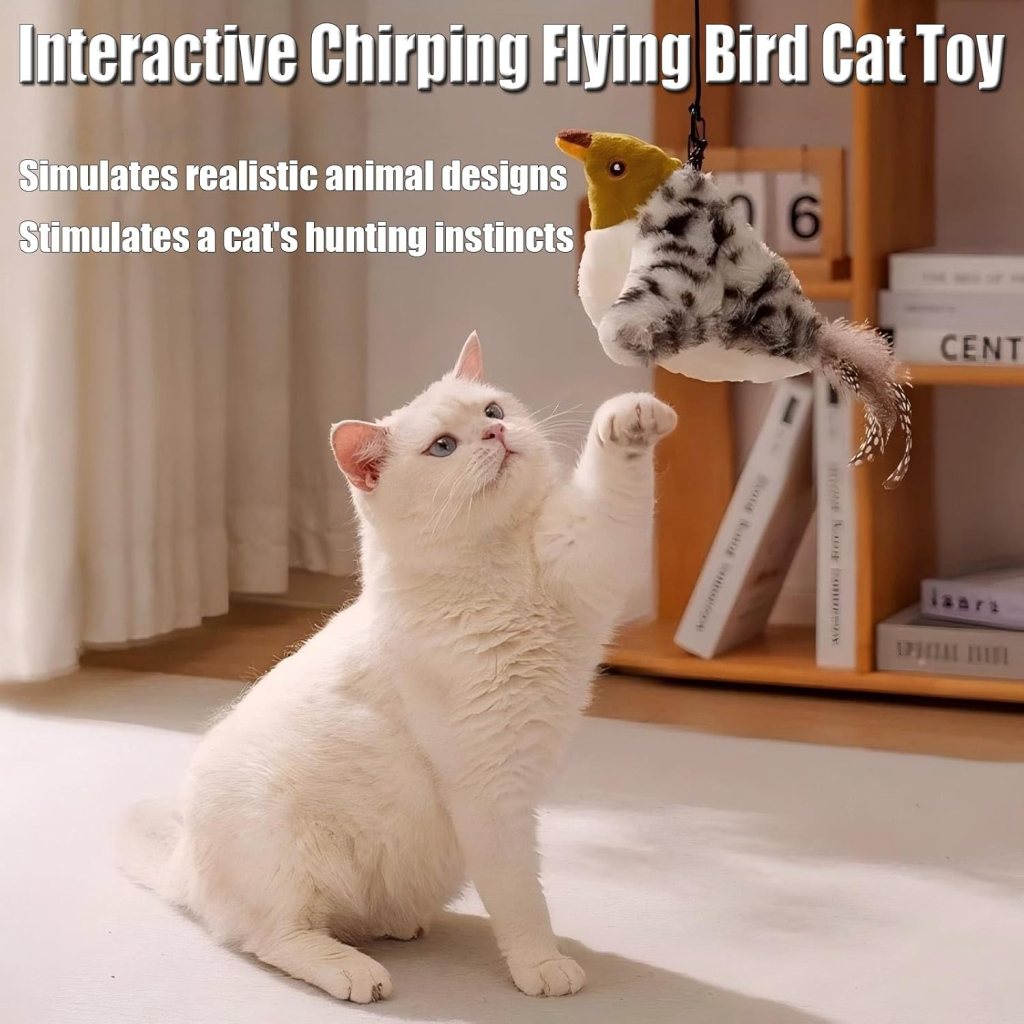
- The 2-Litter-Box Rule: Cats have a staggering sense of smell; being forced to use a single, scented, or dirty box is a major source of feline cortisol.
- The Biological Need for High Ground: Vertical space isn’t a luxury; it’s a tool for “surveillance and security” that allows a cat to manage its environment and its social standing.
- Sensory-Stimulating Environments: As Dr. Hilary Humm-Beatty notes, indoor cats require thoughtful play options—outlets for their inborn hunting instincts—to prevent the lethargy that owners often mistake for “laziness.”

5. Why “All Cats Puke” is a Dangerous Assumption
We often treat feline vomiting as a routine household chore, a minor tax we pay for feline companionship. But from an ethological perspective, this is a grave error. Because cats are solitary hunters, they are evolutionarily hardwired to hide pain; to show weakness is to become prey. This means that by the time you see a symptom, the underlying issue is already significant.
The Clinical Rule of Thumb: Regular vomiting is never “normal.” Dr. Geri Katz is explicit: if your cat vomits—and this includes hairballs—more than twice a month for three consecutive months, they are likely suffering from an underlying clinical issue like intestinal disease. Stop dismissing the “puke” as a quirk; it is a clinical marker.
6. The “Mirror” vs. The “Window”: A Philosophical Shift
The shift from treating a cat’s body as a machine that “pukes” to seeing it as a sentient being with complex needs requires a broader philosophical change. If the “dog person” experience is one of the “mirrors”—where the dog acts as a flattering reflection of human ego and loyalty—the “cat person” looks through a “window.”
To love a cat is to appreciate a truly non-human, wild world. They are not our subordinates; they are “honored house guests.” They offer us a lesson in a relationship that is not based on possession or utility. As philosopher John Gray notes, cats don’t “recriminate” or try to change us. They don’t have the “defining human needs” for praise or social validation.
“When a cat is tired of a human being, they don’t recriminate. They don’t try to change the human being. They just leave.” — John Gray, author of Feline Philosophy.
7. Ditching the Hierarchy: Why You Aren’t the “Alpha”
The most common mistake owners make is attempting to apply “pack hierarchy” logic to a species that never evolved to form packs. Dogs are genetically hardwired to seek a leader and respond to discipline with submission. Cats, conversely, operate on relative dominance.
Relative dominance is fluid, tied to time and place rather than a fixed rank. One cat may “own” the sunbeam at noon, while another “owns” the high shelf at dinner. Because cats lack a submissive instinct, traditional “Alpha” discipline—shouting, spraying, or physical punishment—fails spectacularly. A cat will not submit; they will simply respond with “fight or flight,” viewing you as a predator rather than a leader. This is how bonds are permanently broken.
8. Boundaries are the Ultimate Love Language
If we want to build a real bond, we must learn the word “no.” Humans often struggle with the guilt of setting boundaries, but cats are masters of the unapologetic power of their own space. When a cat “walks away,” it isn’t being rude; it is providing a masterclass in self-respect.
As animal communicator Helen Kosinski points out, cats don’t feel the need to please others at the expense of their own comfort. They communicate through subtle “cat wisdom”: the tail thump, the flattened ear, the quiet retreat. When we respect these boundaries—when we let the cat “choose” the interaction—we move from being “owners” to being trusted companions. This respect for their “No” is exactly what makes their “Yes” (the headbutt, the slow blink, the lap-nap) such an absolute honor. It is a relationship of consent, not coercion.
9. Conclusion: The Cat in the Mirror
The internet may have turned the cat into a shorthand for frivolity, but the reality of living with one is a profound commitment to understanding a different species’ language. From the Islamic legends of the Prophet Muhammad cutting his robe to avoid waking a sleeping cat to the Salvador Dalí-esque “melting clocks” of their liquid bodies, cats have always demanded we meet them on their terms.
When we stop calling them “jerks” and start seeing them as sovereign beings with complex biological and environmental requirements, we gain something far more valuable than a pet. We gain a window into a wild, independent world.
Final Thought: If we stopped trying to make our cats act like small, furry humans, what could they actually teach us about living on our own terms?








Leave a comment