
1. Introduction: The 5-Hour Digital Sinkhole
As a digital wellness strategist, I often see clients trapped in what I call the “Information Hunger” loop. We tell ourselves we are staying informed, but in reality, we are drowning in a digital sinkhole. Consider the baseline: an average of five hours a day spent solely on YouTube—primarily consuming vlogs, documentaries, and podcasts—supplemented by the high-frequency dopamine hits of TikTok and Instagram. This amounts to 35 hours a week, a full-time job’s worth of time surrendered to a glass screen.
The solution to this cognitive drain isn’t found in the fragile reserve of willpower; it is found in strategic substitution. By identifying the root cause of the usage—in this case, a drive for information and entertainment—we can re-engineer our daily architecture to replace passive consumption with intentional, analog hobbies.
2. The “Manual” Struggle of Relearning Focus
Transitioning from the passive “top-down” processing of video to the active “bottom-up” decoding of text is a jarring neurological shift. During the initial phase of replacing YouTube with James Clear’s Atomic Habits, the friction was almost physical. After years of digital saturation, the brain’s ability to sustain deep work atrophies.
“Each word felt manual, like I was constructing each alphabet together in my head.”
This “manual” sensation occurs because digital media rewards the brain for skimming, whereas reading requires the cognitive labor of constructing meaning from scratch. To lower the cognitive load and resist the impulse to check the device after every sentence, I had to implement environmental distance: leaving the phone on a desk while reading in bed. This simple spatial barrier allowed for the first significant breakthrough in focus.

3. Tangible Creation vs. Digital Consumption
To address the entertainment void left by TikTok and Instagram, I pivoted to physical assembly—specifically, an Evangelion Unit 01 plastic model that had sat neglected for two years. There is a profound psychological distinction between “depletive exhaustion” and “productive exhaustion.”
While a late-night scrolling binge leaves one feeling hollow and agitated, staying up until 2:00 a.m. to complete a physical object provides a sense of “tangible satisfaction.” The act of creation offers a dopamine reward that is earned rather than gifted, resulting in a deeper sense of accomplishment that digital entertainment simply cannot replicate.
4. The “Micro-Gap” Trap: Why 2 Minutes Became 10
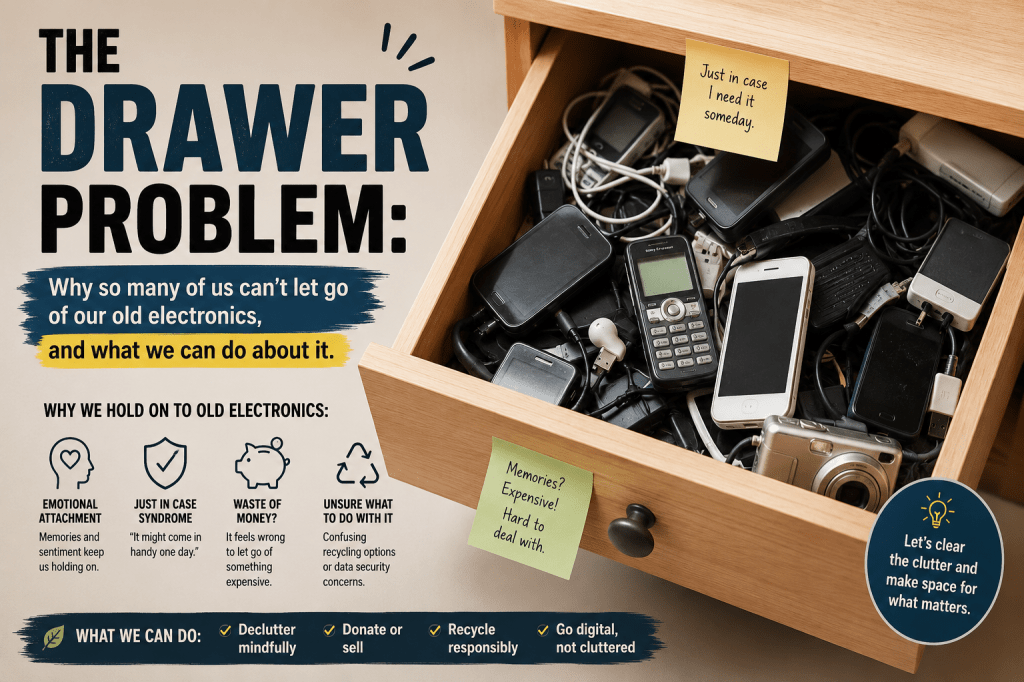
The most insidious threat to our time is not the hour-long video but the “micro-gap”—those transitional moments while brushing teeth, changing clothes, or waiting for the microwave. We instinctively reach for our phones to fill these voids, leading to a phenomenon I call “task inflation.”
The data is clear:
“These distractions turn 2-minute tasks into 10-minute ones.”
Even though these moments feel inconsequential, they fragment our attention and inflate the time required for basic routines. By filling every second of silence with a screen, we lose the mental white space necessary for reflection, effectively turning a productive morning into a frantic race against the clock.
5. Engineering Invisibility: The Physics of Habit Breaking
Effective habit architecture relies on the four laws of behavior change. To break the phone habit, I applied the inversion of the first and third laws: making the cue invisible and the action difficult.
I implemented two non-negotiable rules:
- Spatial Restriction (Make it Invisible): The phone remained strictly in one room. This eliminated the visual cue to check the device in the kitchen or bathroom during micro-gaps.
- Increased Friction (Make it Difficult): When leaving the house, the phone was stored deep in a bag rather than a pocket. This added enough physical resistance to interrupt the “automatic” reach for the device.
By engineering the environment to work against the habit, we move from “trying harder” to “designing better.”
6. The Tipping Point: When Hobbies Become the New Default
Digital wellness is rarely a linear path. By mid-week, the cognitive demands of constant reading and creation led to a period of burnout. Recognizing this is crucial; a social “reset”—in this case, a sleepover with friends—was necessary to clear the mental fog before returning to the new routine.
By the end of the week, the internal drive shifted. I finished Atomic Habits—the first book I’ve completed in two years—and immediately transitioned into a Japanese novel, Lipstick on an After Image, as well as Rick Rubin’s The Creative Act. I even found myself sketching just for the sake of the process.
The neuroplasticity of the brain began to favor the new architecture:
“The impulse to pick up a book feels as natural as the urge to watch YouTube.”
The “gaps” in the day that were once lost to the screen were reclaimed as productive windows for sketching and learning. The habit had successfully crossed the tipping point from a chore to a default state.
7. Conclusion: Beyond the Screen
This experiment serves as a powerful proof of concept: fulfillment and entertainment are not tethered to our devices. When we stop using our phones to “kill time,” we realize how much of that time was actually worth keeping. By intentionally filling our gaps with tangible creation and focused learning, we reclaim our autonomy.
As you look at your own schedule, I challenge you to audit your transitions. What hobby have you neglected in favor of those 2-minute digital gaps? Your attention is your most valuable currency; it’s time to stop spending it on the sinkhole.




Leave a comment