Introduction: The Classic Apple Dilemma, Reimagined
For students and budget-conscious buyers, choosing an entry-level Apple device has long been a perplexing decision: get the affordable, versatile iPad or stretch the budget for a traditional laptop? For anyone trying to make every dollar count, it’s a high-stakes decision. You’re not just buying a device; you’re investing in a tool for your education or career, and the wrong choice can lead to frustration and wasted money.
But with Apple rumored to be launching a new, aggressively priced budget MacBook, this long-standing dilemma is about to be completely reframed. This isn’t just a new product; it’s a strategic offensive against the Chromebooks and budget PCs that have dominated the education and budget markets for years. While the iPad appears to be the obvious budget-friendly choice, a deeper look at the total cost, surprising performance, long-term value, and critical workflow limitations leads to a clear conclusion: Apple’s new entry-level laptop is poised to be the smarter buy for a huge segment of the market.

1. The iPad’s True Price is Deceptively High
The iPad’s sticker price is its greatest illusion. While the base iPad 11 (A16) Wi-Fi model comes in at an attractive US$349, this figure doesn’t reflect the Total Cost of Ownership (TCO) for anyone needing to use it for genuine productivity. To achieve laptop-like functionality for studying and multitasking, essential accessories are non-negotiable, creating what many call an “accessory tax.”
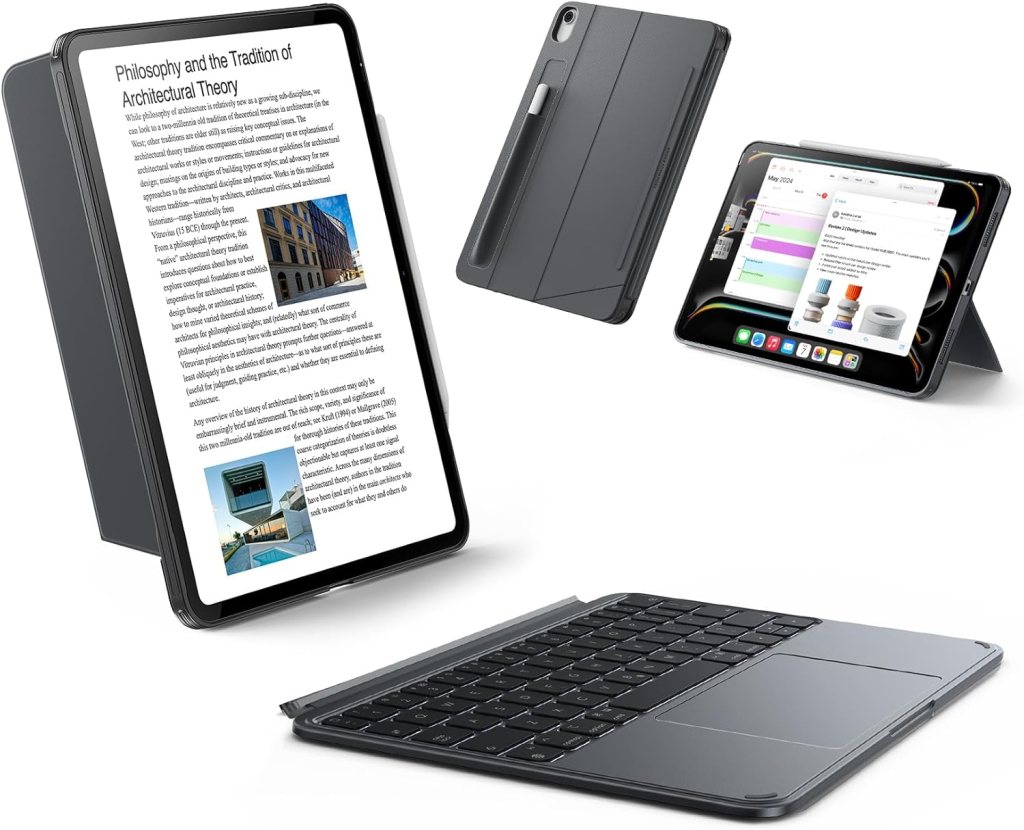
To transform the tablet into a productivity machine, a user needs a keyboard and a stylus. When you add Apple’s own accessories, the final price can easily surpass the rumored starting point for the new MacBook.
| Item | Cost |
| iPad 11 (Wi-Fi, 128GB) | $349 |
| Magic Keyboard Folio | $249 |
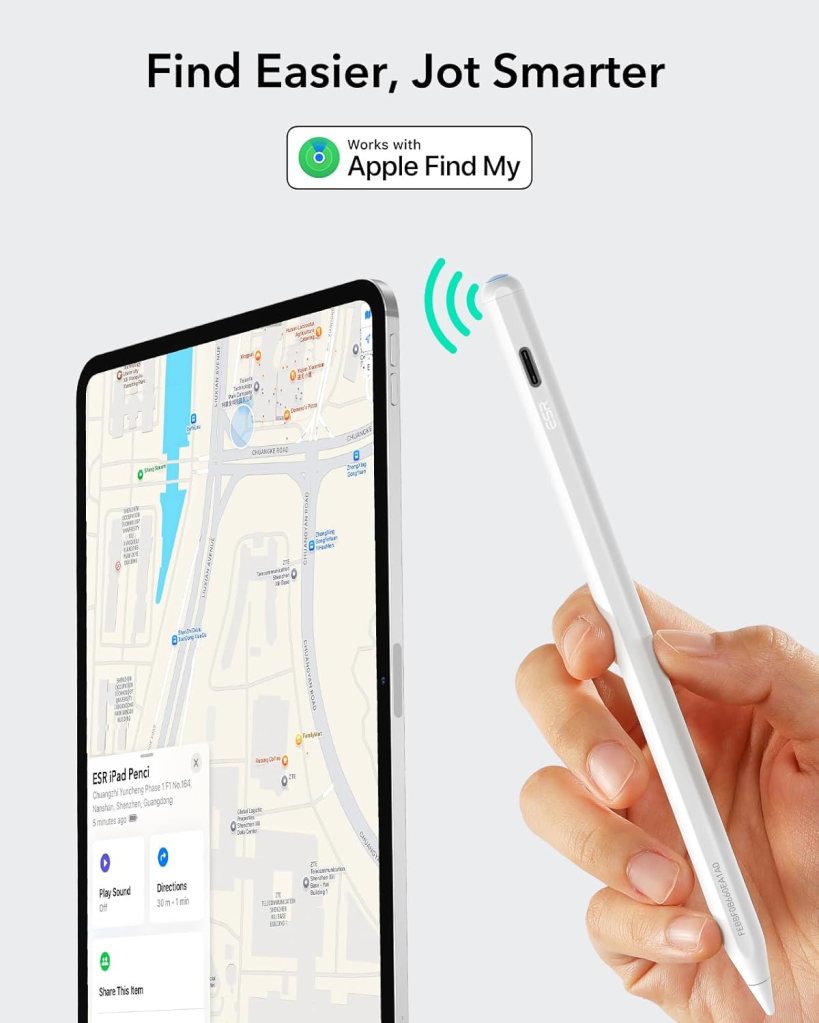
| Apple Pencil (USB-C) | $79 |
| Total Estimated Cost | ~$677 |
This total of approximately $677 places the “budget” iPad squarely in the price range of the rumored budget MacBook, which is expected to launch between $599 and $699. Once equipped for real work, the iPad becomes the more expensive option, challenging the very notion that it’s the budget-friendly choice. But the iPad’s price isn’t its only deceptive quality. The true surprise lies in the power of the so-called “iPhone chip” in the budget MacBook, which fundamentally alters the performance-per-dollar equation.
2. The “iPhone Chip” is More Powerful Than You Think
A common assumption is that a budget MacBook running on an “iPhone chip” would be underpowered compared to its M-series siblings. However, benchmarks reveal a surprising reality. The rumored budget MacBook is expected to use an A-series chip, specifically the A18 Pro, and its performance is set to redefine the baseline for what a “budget” computer can achieve.
The data shows that the A18 Pro chip achieves a multi-core score of approximately 8,790. This is about 5% faster than the average multi-core score of the revolutionary M1 chip (8,351), which completely redefined performance expectations for Apple laptops just a few years ago. This means the so-called “budget” MacBook will deliver a level of power that was considered game-changing for premium machines in the very recent past.
We’re at a point where we can have M1 levels of performance in our pocket, just four years after that chip debuted.
Apple isn’t just making a cheaper Mac; it’s fundamentally elevating the performance floor for entry-level computing. This M1-level performance isn’t just about speed today; it guarantees years of software support and usability, directly contributing to the strong resale value we’ll explore next.
3. The MacBook is the Smarter Long-Term Investment
For any budget-conscious buyer, the financial value of a device over time is a critical factor. When it comes to depreciation, the difference between a MacBook and an iPad is stark.
Data consistently shows that MacBooks retain their value exceptionally well, typically holding 50-60% of their original value after three years. This strong value retention is driven by the versatility of the macOS platform, extended software support, and high demand in the resale market.
In sharp contrast, iPads depreciate much more quickly. They generally retain only 30-40% of their original value over the same three-year period. When you combine the MacBook’s lower initial TCO for a productivity setup with its significantly higher resale value, the net cost of ownership over three years becomes drastically lower than the iPad’s, making it the undeniable financial winner. The MacBook’s reputation as a durable, all-purpose workhorse makes it a superior long-term financial investment.
4. The 1% Problem: Why an iPad Still Can’t Fully Replace a Laptop
For many users, an iPad can handle 99% of their daily tasks with ease. The problem lies in the crucial 1% it can’t handle. This “1% use-case” problem is a source of major frustration and a key reason why an iPad still fails to be a true laptop replacement for many, especially students. As one user aptly put it:
I would tend to agree with you but when that 1% use-case doesn’t work on your device, it’s reallllll frustrating.
This isn’t a minor inconvenience; as user testimonials reveal, it’s a workflow-breaking frustration that emerges at the worst possible moments—like right before a major deadline or during a proctored final exam. Common examples of this “1% problem” include:
- Software Incompatibility: Proctored exams or specific legacy software required for a class that simply won’t run on an iPad.
- Limited Applications: The Microsoft Office suite has far better and more complete features on macOS and Windows.
- Inefficient Workflows: File management for complex projects can be cumbersome and inefficient compared to a desktop OS.
- Hardware Constraints: The inability to properly run a second monitor is a deal-killer for many who rely on multi-screen setups for research and productivity.
A MacBook, running the full version of macOS, eliminates this friction. It provides a reliable, desktop-class experience for the “heavy lifting,” ensuring that the final, critical 1% of your work doesn’t become a 100% roadblock.
Conclusion: Rethinking the Meaning of “Budget”
While the iPad excels as a media and annotation device, the evidence is overwhelming for students and budget-focused professionals. When you look beyond the sticker price to the true cost, long-term value, and workflow reliability, the rumored budget MacBook isn’t just a better option—it’s the smarter, safer investment.
The iPad is an undisputed champion of portability and creativity, but as Apple redefines its entry-level lineup, the critical question for buyers is no longer just about price—it’s about which compromises you’re willing to make.








Leave a comment