1. Introduction: The Fragility of Modern British Life
While international headlines regarding the Straits of Hormuz may feel geographically removed, their “ripple effects” are a direct threat to the British domestic baseline. In our era of just-in-time logistics, geopolitical friction in the Middle East does not always manifest as a sudden shock; instead, it bleeds into our reality through rising energy bills, subtle supermarket shortages, and price hikes at the petrol station.
urban resilience strategist,As an Urban Resilience Strategist, my objective is to help you remove fragility from your life before the “window of calm” closes. April 2026 represents a critical strategic deadline—the point where proactive procurement ends and “the scramble” begins. The goal is not doomsday prepping, but the establishment of operational capacity. By acting now, you ensure that you are “early” rather than part of the reactive panic that characterizes modern supply chain disruptions.
2. The 50% Redline: Why Fuel is Your Most Emotional Asset
Fuel is rarely the first resource a household consumes in a crisis, yet it is invariably the first thing the public rushes to secure. This is because fuel represents more than just a commodity; it represents mobility, independence, and the ability to exit a deteriorating situation. When uncertainty hits, “Q panic” sets in almost instantly.
To mitigate this, you must adopt a “Redline Policy”:
- The 50% Rule: Never allow your vehicle’s tank to drop below half. This ensures you always have the range to navigate local disruptions without joining a three-hour queue.
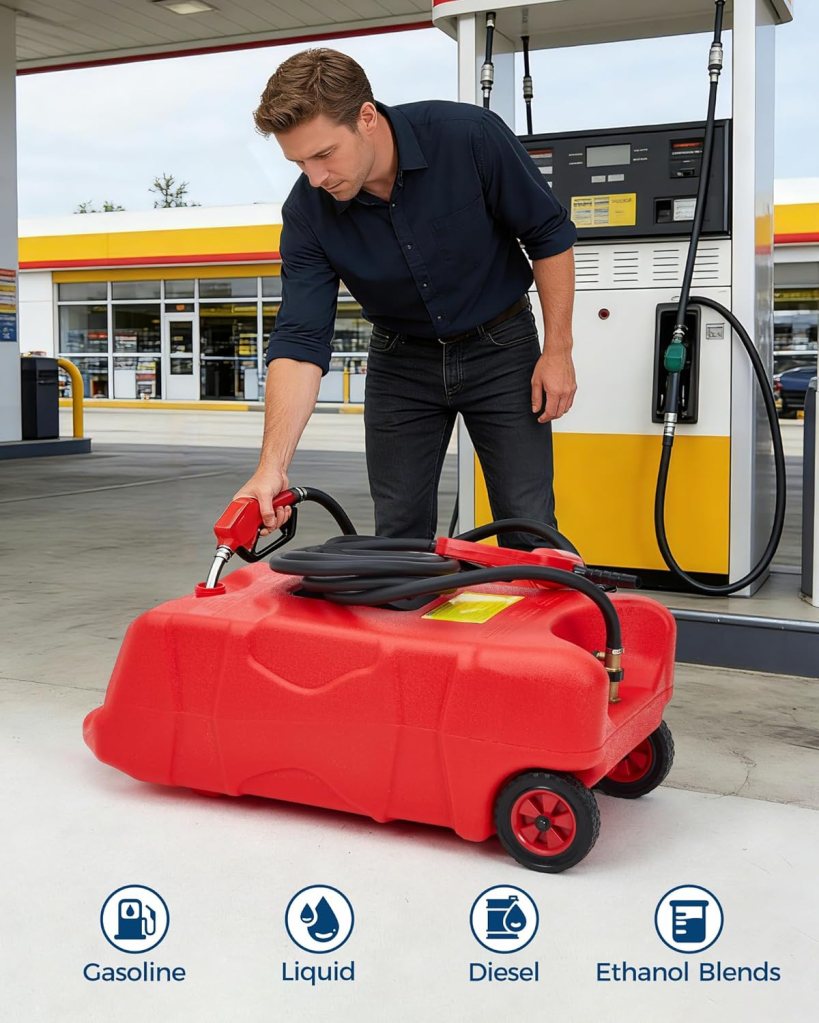
- Strategic Reserves: Store at least one legal, high-quality fuel can.
- Stabilization: Use a fuel stabilizer for any petrol stored longer than a few weeks. This doesn’t make fuel immortal, but it buys you the stability required to maintain a functional reserve.
“This is the boring item that becomes very exciting when everyone else panics.”
3. The Protein Paradox: Beyond the “Starving Victorian” Diet
A major failure in most resilience plans is a caloric supply heavily weighted toward simple carbohydrates. While rice and pasta are dense and cheap, surviving on them alone leads to the “starving Victorian” effect—physical lethargy and a total collapse of mental clarity.
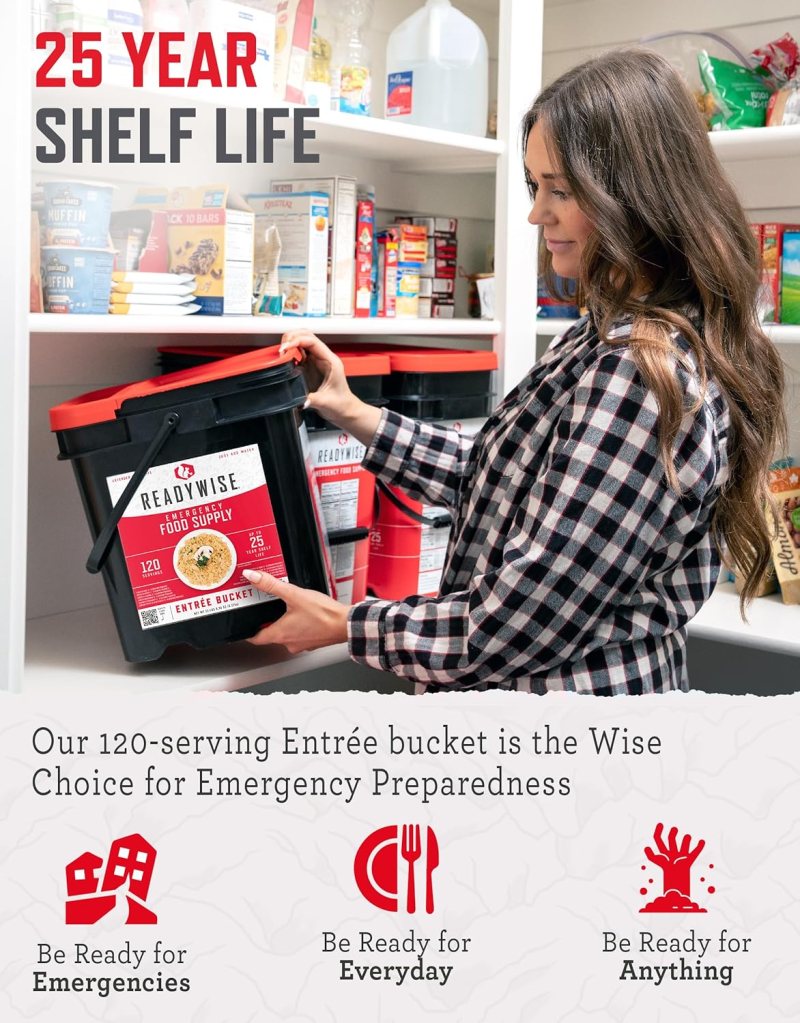
Your “Strategic Baseline” requires a 2-to-4-week supply of shelf-stable protein. This is what vanishes from shelves first during a disruption. Focus on:
- Tinned Fish and Meats: Tuna, mackerel, and sardines are essential for cognitive function.
- Legumes: Lentils, chickpeas, and beans provide fiber and sustained energy.
- High-Density Bars: Quality protein bars serve as “grab-and-go” fuel for high-stress periods when cooking is not an option.
4. Hydration and Hygiene: The Invisible Essentials
In the UK, we often assume the taps will always run. However, local infrastructure is vulnerable to main bursts, contamination, and storm damage. Water is a psychological trigger; if you have it, you remain calm. If you don’t, your brain enters survival mode.
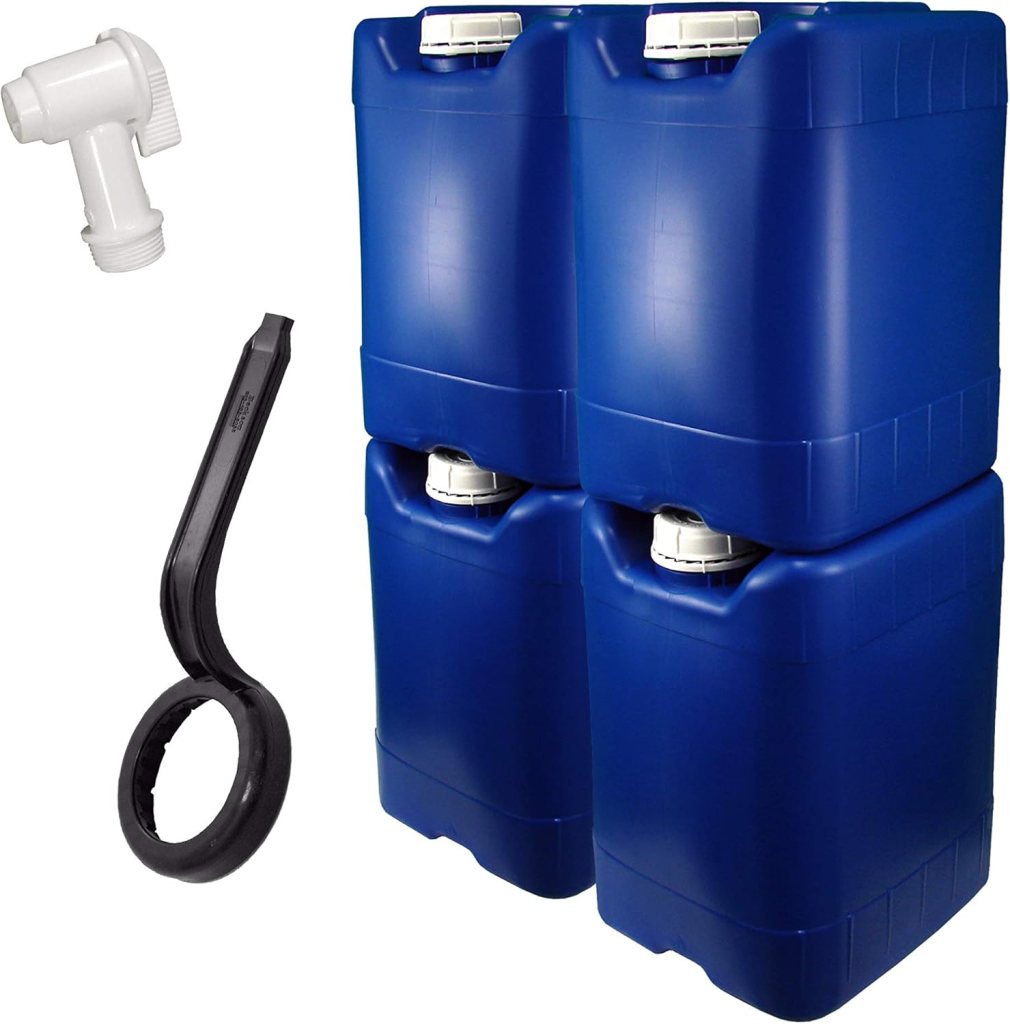
- Water Storage: Maintain a few days of bottled water as a primary reserve, supplemented by food-grade containers you can fill at the first sign of trouble.
- Filtration: Keep a manual filter bottle and purification tablets as a “fail-safe” redundancy.
- Sanitation and Morale: Hygiene is not just about health; it is about maintaining a “functional human” status. Your stockpile must include a deep reserve of soap, toothpaste, disinfectant, and bin bags. Without sanitation, morale collapses and disease risk escalates.
5. The “Bug-In” Philosophy: Power as a Utility
Resilience in a British context usually means “bugging in”—maintaining your home as a functional command center during power cuts or price shocks. To do this, you must view electricity not as a luxury, but as a critical utility.
Investing in a high-capacity home backup unit, such as the All Powers R2500 (2016 Wh capacity / 2500 W output), allows you to run “real life” equipment.
- Operational Connectivity: Keeping routers and phones powered ensures you have access to information and banking.
- The British Standard: A high-wattage unit can power a kettle, providing the psychological reset of a hot drink during a blackout.
- Solar Decoupling: Pair the unit with a solar panel like the SP037 400W. This allows you to top up for free, effectively stretching your runtime indefinitely even as energy prices rise.

6. “Meal Glue” and the Morale of the Palate
The “rotate, don’t museum” philosophy is essential for food storage. You should store what you already eat—oats, flour, and rice. However, calories without flavor are a recipe for misery.
“Meal glue” refers to the items that prevent your stores from tasting like “damp cardboard”:
- Fats and Seasoning: Cooking oils (olive or coconut), salt, and stock cubes.
- Spices and Sauces: These are high-value, low-space items that provide the “psychological reset” a hot, tasty meal offers. In a crisis, morale is survival.
7. Low-Tech Fail-Safes: Removing Single Points of Failure
Sophisticated technology is useless if you fail at the basics. The most “tragic prepper moment” is having a mountain of tinned food but no way to open it. A manual, heavy-duty can opener is a non-negotiable tool.
Furthermore, discard the romantic notion of candles for lighting. They are a fire hazard and provide poor illumination.
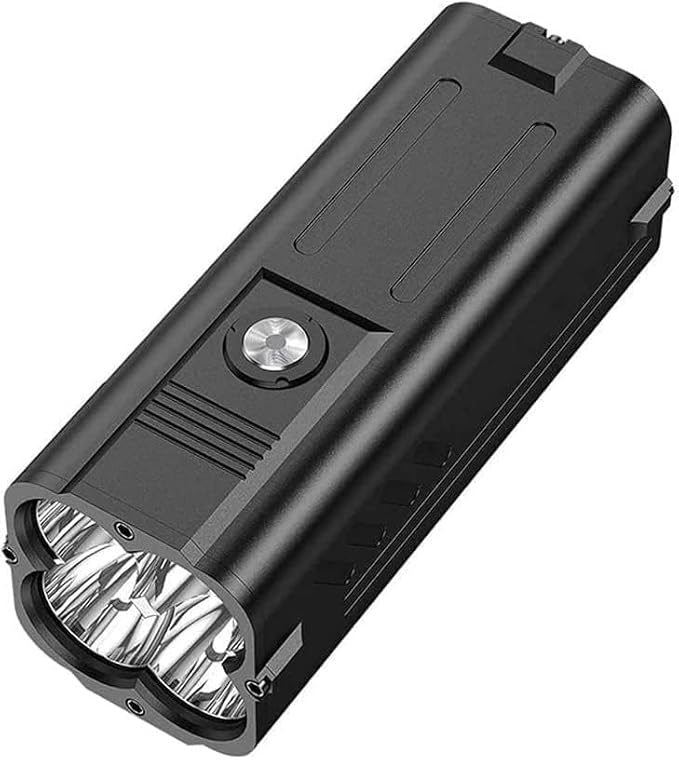
- Head Torches: These are the gold standard for urban resilience. They keep your hands free for cooking or repairs and allow you to remain productive after dark.
- Battery Reserves: Maintain a deep supply of spare batteries and dedicated power banks to keep your “Digital Fail-Safe” (phones and maps) operational.
8. The Human Element: Networks and Medical Readiness
Your most significant vulnerability is often your health or your isolation.
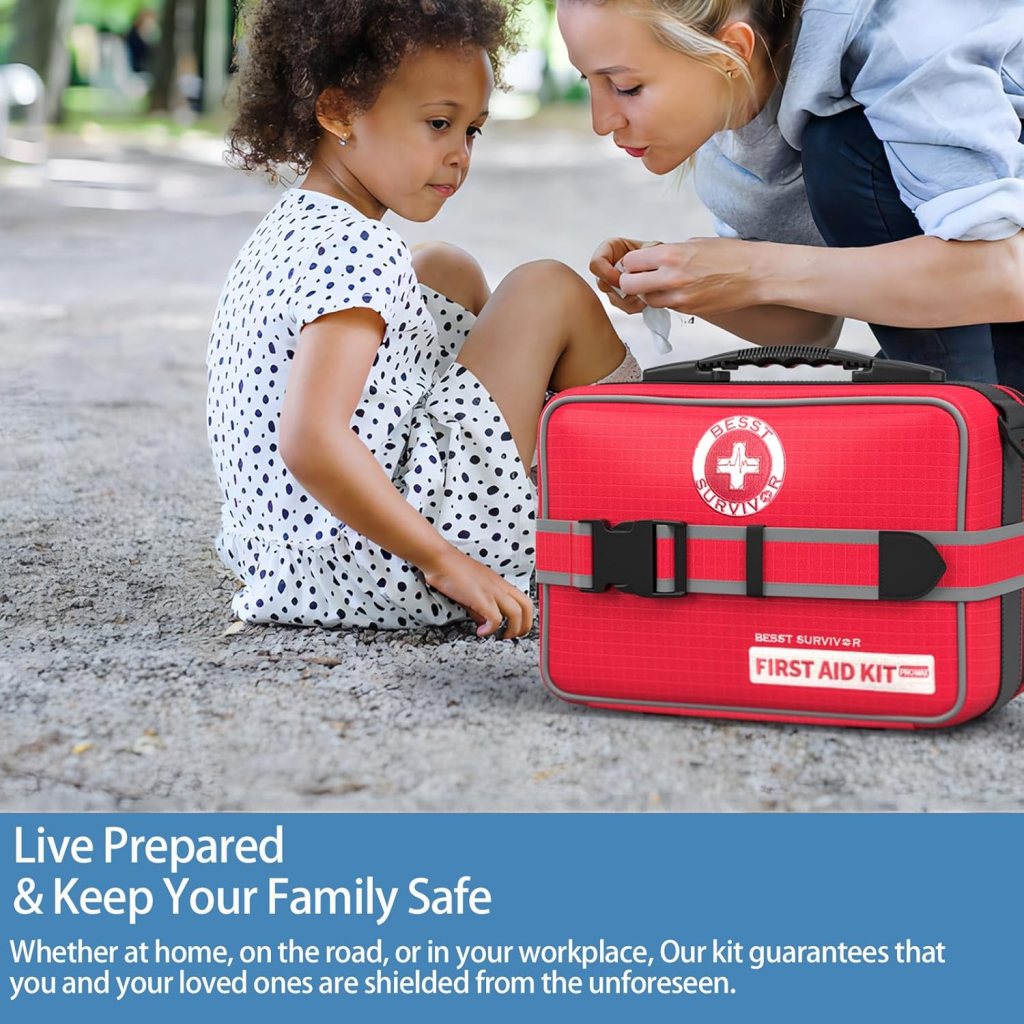
- Medical Reserves: Supply chains for medication are notoriously fragile. Stay topped up on essential prescriptions, and stock a robust supply of paracetamol, ibuprofen, and—crucially—rehydration salts. Dehydration hits harder when you are under the physical stress of a crisis.
- The Digital Fail-Safe: Maintain physical backups of key documents and keep a small reserve of cash. If the digital grid flickers, cash remains the ultimate medium of exchange.
- Local Networks: Resilience is a team sport. Establish a plan with family for where to meet if comms go down.
“The most resilient people are never the ones with the biggest stash; they’re the ones with the strongest local network.”

9. Conclusion: Moving From Fear to Preparedness
By securing these categories—fuel, power, food, water, medicine, and hygiene—you are not preparing for the end of the world; you are preparing for the “British reality” of price spikes and quiet infrastructure failures.
The mantra for 2026 is: Stay prepared, not scared. Resilience is built one small step at a time. Identify the single biggest “fragility” in your household today—be it a lack of water storage or an empty fuel tank—and fix it this week. The window of proactive procurement is still open, but it won’t stay that way forever.








Leave a comment