The street food and mobile food business world often looks vibrant and effortless from the outside — colorful trucks, smiling vendors, and long customer lines. Yet behind every successful stall or truck is a deeply personal story of risk, resilience, and relentless hard work. A recent episode of Street Food Stories from the Food Truck Podcast perfectly captures this reality through the journey of Matilda, founder of Butter Baby, a New Zealand-based dessert brand that grew from market tents to a thriving food business.
At its core, the conversation highlights a powerful theme: street food success is rarely about talent alone — it is about persistence, community, and self-belief.
Humble Beginnings and Early Struggles
Matilda’s entry into hospitality was far from glamorous. After studying culinary arts and repeatedly facing rejection from pastry school, she began her professional journey as a dishwasher in a fine-dining hotel kitchen. Surrounded by experienced chefs in a male-dominated environment, she often felt inadequate and overwhelmed. Long hours, emotional pressure, and self-doubt became daily companions. Yet instead of quitting, she arrived early, stayed late, and practiced in private until she improved.
This stage of her life reveals a crucial lesson for aspiring food entrepreneurs: growth often happens quietly before it becomes visible. The grind behind the scenes builds the resilience needed to later run a business independently.
Discovering Purpose Through Community
What truly shifted Matilda’s trajectory was not just culinary skill, but her involvement in community service. Volunteering at a large church café, she trained dozens of volunteers to make coffee and manage hospitality operations. Here, she discovered her strength in leadership, teaching, and empathy.
This experience helped her realize that hospitality was not only about food — it was about creating experiences, nurturing people, and building confidence in others. The skills she developed in communication, team building, and organization later became foundational pillars for Butter Baby’s operations.
From Fear to Brand Creation
When Matilda finally began selling baked goods at markets, fear nearly held her back. She avoided branding her products, worried about criticism and rejection. Gradually, through encouragement from friends and fellow vendors, she embraced visibility and named her business “Butter Baby” — a playful yet heartfelt brand rooted in warmth and nostalgia.
Her story emphasizes another key truth in the street food industry: branding is emotional as much as it is strategic. Customers connect not only with flavors but with authenticity, vulnerability, and story.
Innovation, Nostalgia, and Customer Connection
Butter Baby’s growth accelerated through creativity and constant reinvention. Instead of offering static menu items, Matilda introduced rotating donut flavors inspired by childhood treats and cultural desserts. Nostalgia became a competitive advantage. Customers returned not just for sweets but for memories — flavors that reminded them of family, heritage, and simpler times.
Equally important was her willingness to involve her team and customers in decision-making. Polls, feedback, and experimentation kept the brand dynamic. This approach reflects a broader street food trend: successful vendors treat customers as collaborators, not just consumers.
The Role of Social Media and Authentic Marketing
Another major takeaway from the podcast is the transformative power of social media. Initially hesitant due to past bullying, Matilda began documenting her workdays on TikTok. Her authenticity — showing sleepless baking nights and real struggles — resonated deeply with viewers. Social platforms became not only marketing tools but also sources of community, encouragement, and brand loyalty.
In today’s mobile food landscape, visibility and storytelling are often as important as product quality. Transparency builds trust, and trust drives traffic.
Team Building and Leadership
Butter Baby’s expansion required hiring staff, which introduced new challenges. Instead of prioritizing experience alone, Matilda valued willingness to learn and cultural fit. She delegated tasks based on strengths, encouraged creativity, and nurtured a collaborative environment. This leadership style fostered loyalty and consistency — two essential ingredients in a high-turnover hospitality sector.
Vision, Planning, and Sustainable Growth
Despite rapid progress, Matilda remains grounded in long-term planning. She sets structured goals, conducts regular reviews, and emphasizes building strong foundations before expansion. Her vision includes broadening product offerings and eventually opening additional small community-focused locations rather than large cafés.
This reflects a broader industry insight: sustainable growth outperforms rapid expansion when supported by planning, adaptability, and customer connection.
Key Lessons for Aspiring Food Entrepreneurs
The Butter Baby journey offers several universal lessons for anyone considering a food truck or mobile food venture:
- Confidence often grows after taking action, not before.
- Community and collaboration reduce isolation in entrepreneurship.
- Branding should reflect personality and authenticity.
- Innovation and nostalgia can coexist to attract loyal customers.
- Social media transparency builds credibility and organic reach.
- Team culture is as important as product quality.
- Long-term planning prevents burnout and chaos.
Turning Inspiration into Action
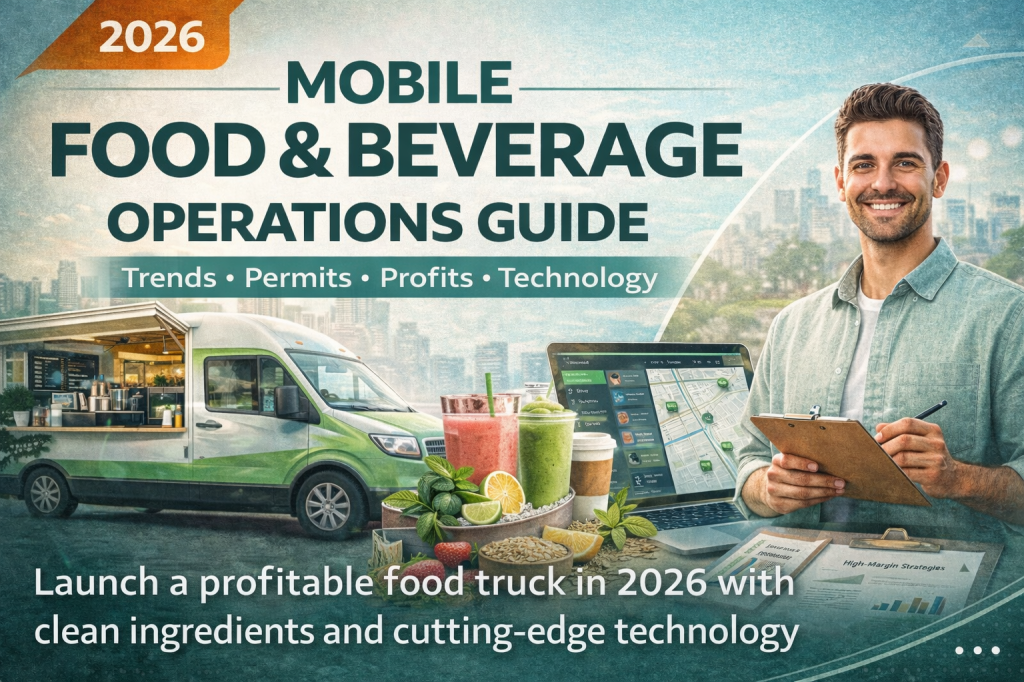
For those inspired by stories like this and looking to start or scale their own mobile food or beverage venture, having structured guidance can dramatically shorten the learning curve. A comprehensive roadmap covering permits, menu strategy, location analytics, technology tools, and profitability planning can make the difference between trial-and-error and confident execution.
One such resource is the 2026 Mobile Food & Beverage Business Operations Guide – Startup, Permits, Profits & Technology Blueprint, which brings these critical elements together in a practical, step-by-step format. Entrepreneurs seeking clarity and direction can explore it here:
https://payhip.com/b/KNup0
Final Reflection
Matilda’s journey demonstrates that the street food industry is not merely about selling meals; it is about building identity, creating joy, and fostering human connection through food. Behind every successful stall is someone who chose courage over comfort, learning over fear, and community over competition.
For aspiring entrepreneurs, her story serves as both reassurance and challenge: the path is demanding, but with persistence, creativity, and support, a dream on wheels can indeed become a thriving reality.






Leave a comment