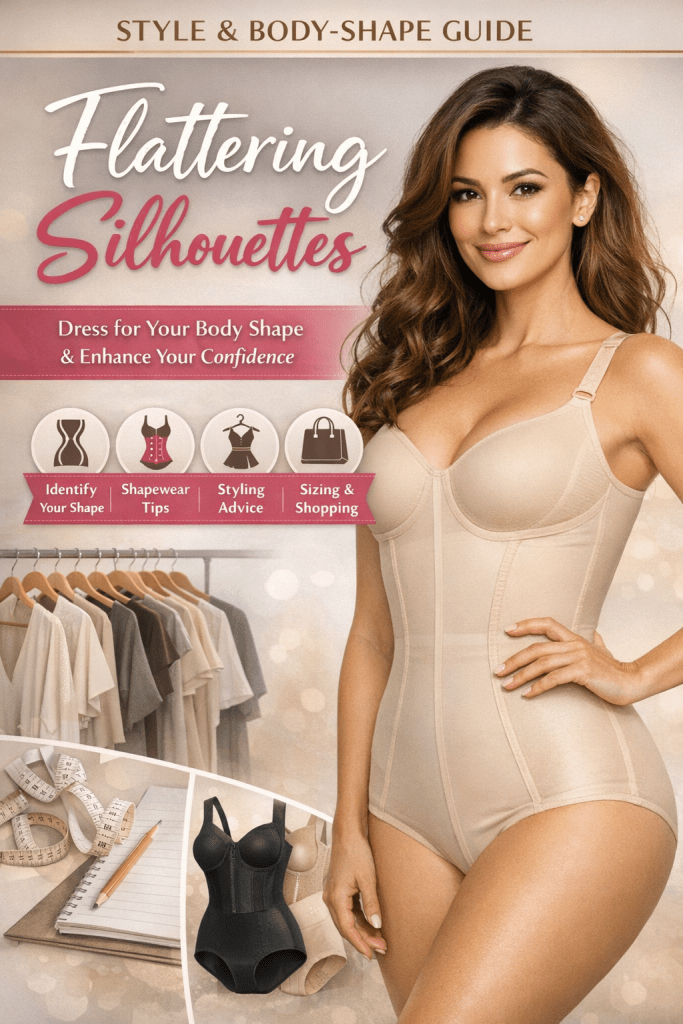
For years, women have been told that if clothes don’t fit, their bodies are the problem. The truth is the opposite. Most wardrobe frustration doesn’t come from body size—it comes from misunderstanding proportions, fit, and silhouette. When you learn how clothing works with your natural shape, everything changes: shopping becomes easier, outfits feel intentional, and confidence grows without chasing unrealistic standards.
This guide is about style intelligence, not size reduction. It’s about dressing smarter, not smaller.
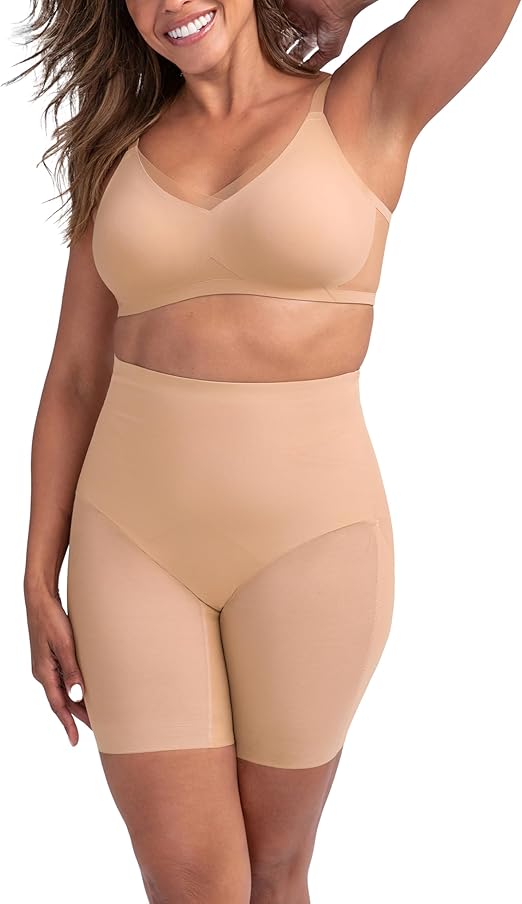
Why Clothes Often “Don’t Fit”
If you’ve ever stood in a fitting room wondering why nothing looks right, you’re not alone. Common issues include:
- Waist gaps in jeans
- Dresses clinging to the midsection
- Tops pulling at the bust
- Shoulders feeling tight but the body loose
- Pants fitting hips but not thighs
These problems are rarely about weight. They are about cut, fabric, and proportion mismatch. Clothing brands use generalized sizing, but bodies are unique. Understanding your silhouette allows you to choose pieces designed for your structure instead of forcing yourself into generic sizes.
Silhouette vs. Size: The Real Game Changer
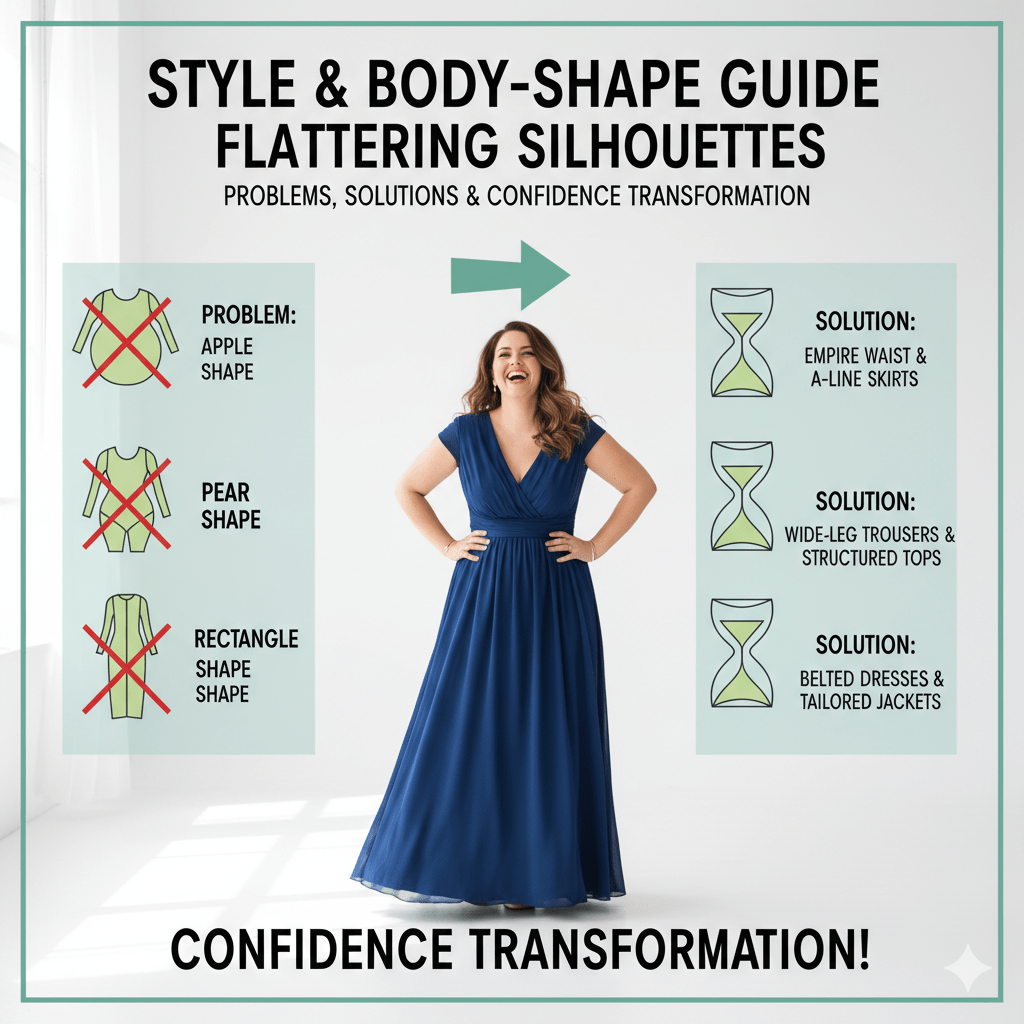
Size is a number. A silhouette is a shape.
Two women can wear the same size but look entirely different because their proportions differ. Silhouette focuses on the outline your body creates when clothed—the balance between shoulders, waist, and hips.
When you dress for silhouette, you’re not hiding your body. You’re creating harmony between clothing lines and natural curves.
Step 1: Know Your Measurements (Once, Not Constantly)
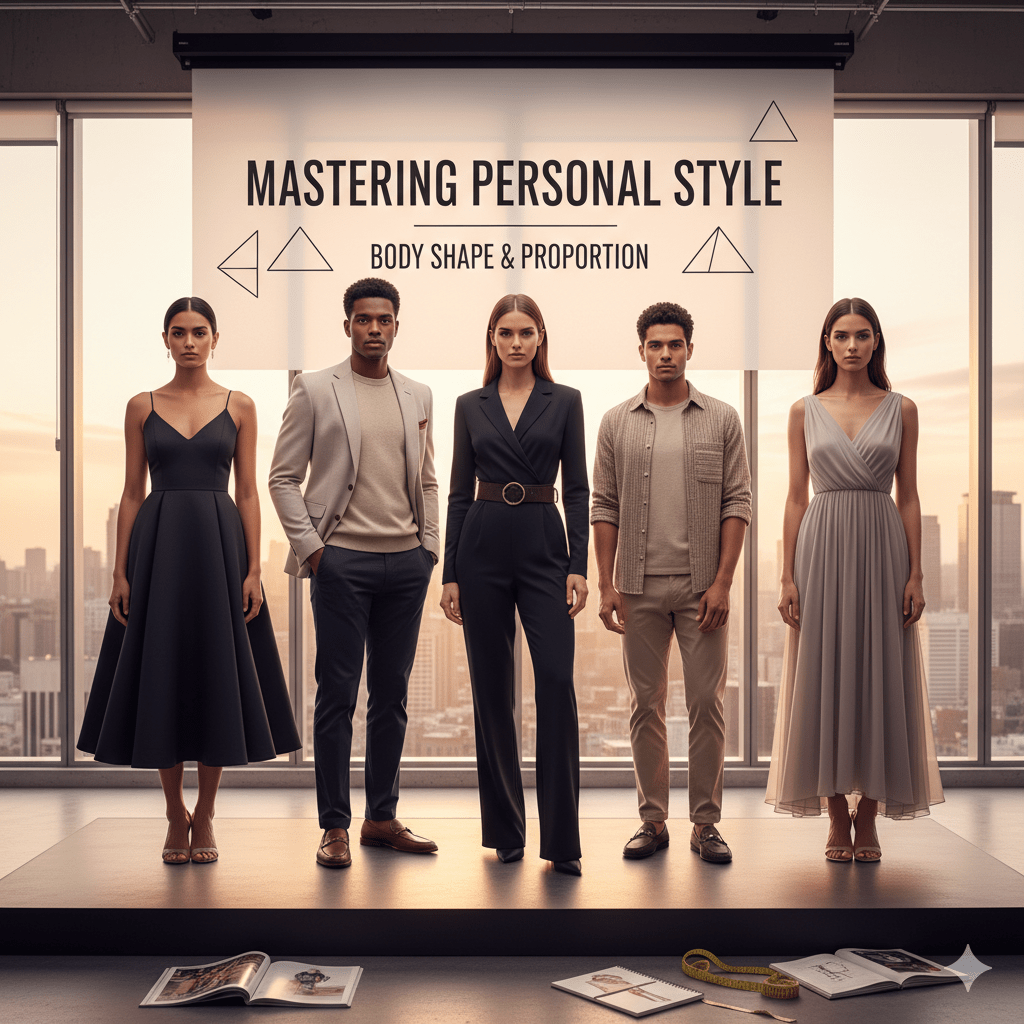
Accurate measurements remove guesswork and reduce return purchases. You only need to measure occasionally, not obsessively.
Key areas:
- Bust: Fullest part of chest
- Waist: Narrowest point above the belly button
- High Hip: Top of hip bones
- Full Hip: Widest hip area
- Torso Length: Shoulder to waist
Numbers don’t define you—they inform better decisions.
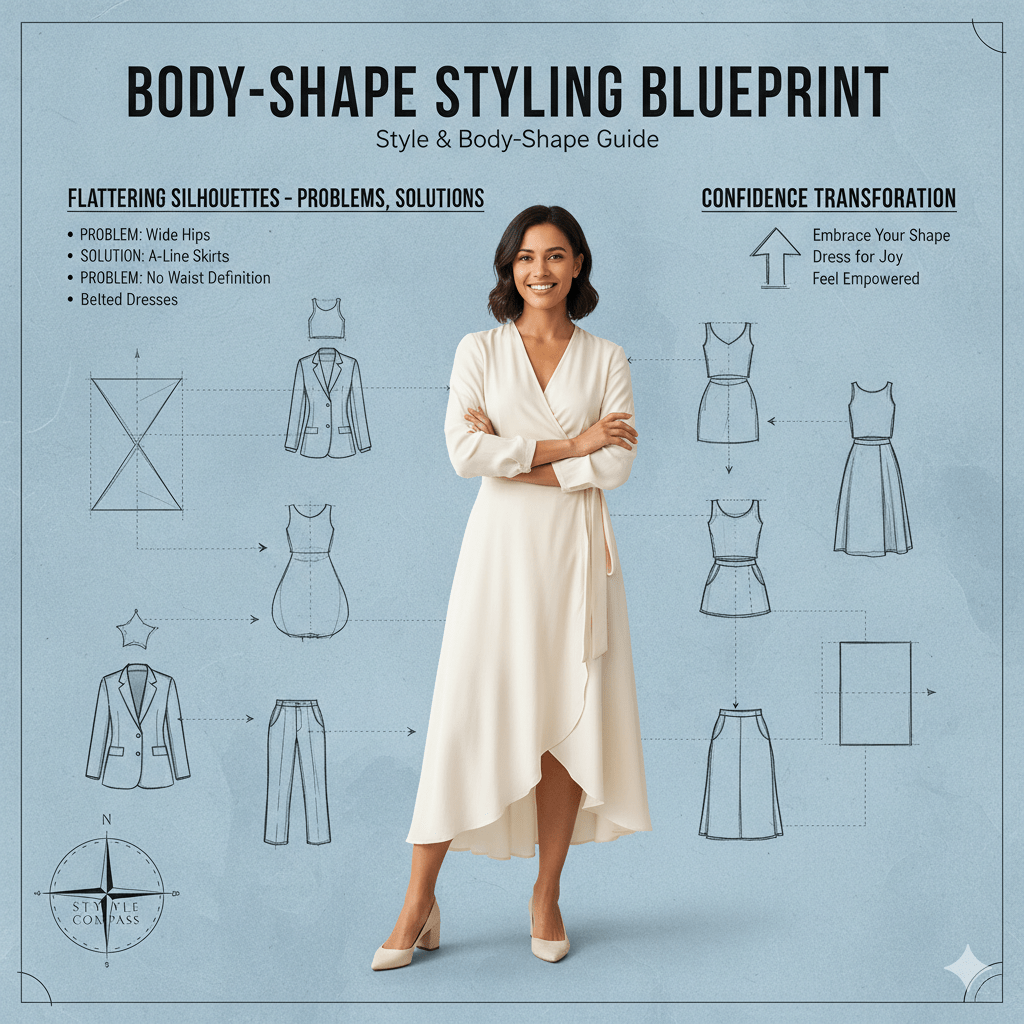
Step 2: Identify Your Body Shape
Body shape isn’t about labeling; it’s about understanding proportions.
Hourglass
Balanced shoulders and hips with a defined waist.
Styling Focus: Highlight the waist with wrap dresses or tailored pieces.
Pear (Triangle)
Hips wider than shoulders.
Styling Focus: Add structure or volume to the upper body while smoothing the lower half.
Apple
Fuller midsection with slimmer legs.
Styling Focus: Create vertical lines and gentle waist definition without tight compression.
Rectangle
Shoulders, waist, and hips are similar widths.
Styling Focus: Use belts, layering, or shaping garments to create curves.
Inverted Triangle
Broader shoulders, narrower hips.
Styling Focus: Add volume to the lower body and soften upper lines.
No shape is “better.” Each simply has different balance strategies.
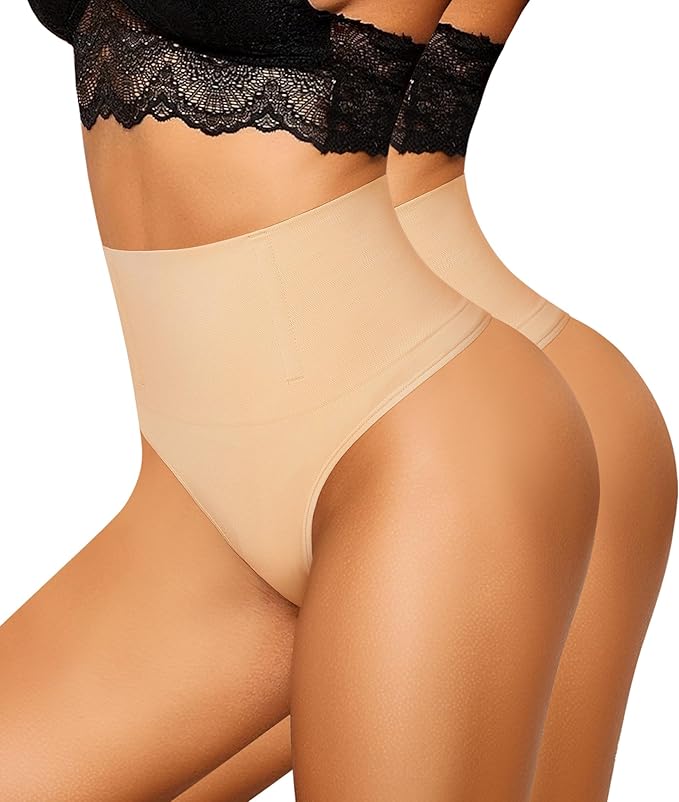
Step 3: Use Foundation Garments Strategically
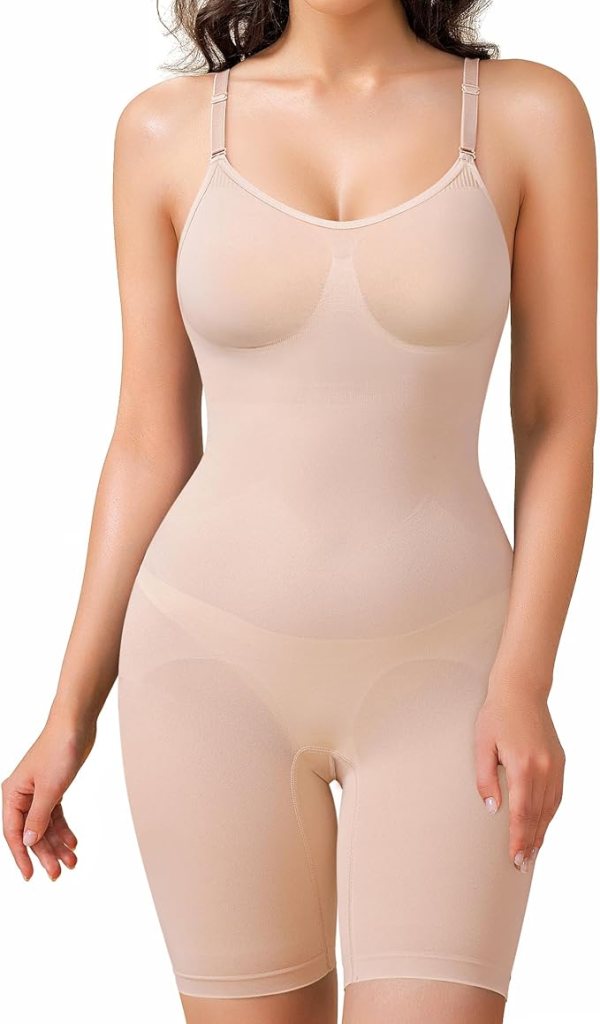
Shapewear is not mandatory, nor should it be uncomfortable. Think of it as a tool, not a rule.
Light compression can:
- Smooth fabric lines
- Improve posture
- Enhance outfit structure
Choose breathable fabrics, seamless edges, and comfort-first sizing. The goal is support, not restriction.
Fabric Matters More Than You Think
Fit isn’t just about size—it’s also about material behavior.
- Stretch blends adapt to curves and reduce pulling
- Structured fabrics provide shape and polish
- Lightweight fabrics require smoother base layers
- Seams and hems influence visual lines
Often, switching fabric type solves more problems than changing sizes.
Outfit Formulas That Always Work
Instead of reinventing your wardrobe daily, use simple formulas.
Workwear Formula
Structured blazer + tailored pants or pencil skirt + neutral top.
Casual Formula
High-rise jeans + fitted or tucked top + lightweight layering piece.
Evening Formula
A-line or wrap dress + minimal accessories + smooth base layer if desired.
Formal Formula
Defined-waist garment + vertical lines + supportive undergarments.
Formulas reduce decision fatigue and increase consistency.
The Capsule Wardrobe Advantage
A capsule wardrobe focuses on versatile essentials that mix effortlessly.
Benefits include:
- Fewer purchases
- More outfit combinations
- Reduced clutter
- Faster dressing decisions
Key pieces might include:
- Neutral blazer
- Straight-leg trousers
- A-line or wrap dress
- Classic white or black tops
- Comfortable neutral shoes
Quality and fit outweigh quantity every time.
Confidence Is the True Outcome
The biggest transformation isn’t physical—it’s mental. When clothes align with your silhouette:
- You stop blaming your body
- Shopping becomes strategic
- Mirror anxiety fades
- Daily dressing feels effortless
Confidence grows from clarity, not perfection.
Final Thought: Your Body Is Not the Problem
Fashion should adapt to you, not the other way around.
When you understand proportions, fabrics, and silhouettes, style becomes empowering instead of stressful.
Dressing smarter isn’t about shrinking yourself.
It’s about understanding yourself—and building a wardrobe that celebrates, supports, and strengthens your confidence every single day.
If you’re ready to stop guessing your size and start dressing with confidence, the Ultimate Style & Body-Shape Confidence Bundle gives you everything in one place—from understanding your body shape and choosing flattering silhouettes to practical outfit formulas and printable styling worksheets. Instead of wasting money on clothes that never fit right, you’ll learn how to build a wardrobe that actually works for you. You can get instant access to the complete bundle here: https://payhip.com/b/f9msI and start transforming the way you shop, dress, and feel every day.





Leave a comment