
Introduction
Dark under-eye circles are a nearly universal aesthetic concern, often attributed to a single cause: a poor night’s sleep. While fatigue certainly plays a role, the reality is far more complex. These persistent shadows can be a source of frustration, making us appear more tired and older than we feel. As a board-certified dermatologist, I’ve seen firsthand how this multifaceted issue affects confidence. The objective of this guide is to move beyond simplistic explanations and provide an authoritative, evidence-based overview that demystifies the true causes of dark circles. We will explore the full spectrum of management strategies, from fundamental lifestyle adjustments and targeted skincare to the advanced clinical treatments available today.
——————————————————————————–
1. Understanding the Under-Eye Area: More Than Just “Tired Eyes”
Before you can effectively treat dark circles, you must correctly identify the type you have. This crucial first step dictates the entire treatment approach. The skin around our eyes is the thinnest on the body—in some areas, just one millimeter thick—making it uniquely susceptible to revealing underlying anatomical structures and pigmentation. Think of it like wearing a black bra under a thin white shirt; what lies beneath is simply more visible. This is why a one-size-fits-all solution rarely works. Dark circles generally fall into two primary categories based on their underlying cause.
- 1. Pigmented (or Melanin-Related) Dark Circles:
- These circles present as a distinct brown or even gray discoloration on the lower eyelids and can sometimes affect the upper eyelids as well. They are caused by an excess of melanin, the natural pigment that gives skin its color. The primary drivers include:
- Genetics: A predisposition to hyperpigmentation is often inherited, particularly in individuals with darker skin tones.
- Chronic Irritation: Persistent eye rubbing due to allergies or habit, as well as inflammatory skin conditions like eczema, can trigger post-inflammatory hyperpigmentation.
- Sun Exposure: UV radiation stimulates melanin production, which can settle in the delicate under-eye skin and worsen existing discoloration.
- These circles present as a distinct brown or even gray discoloration on the lower eyelids and can sometimes affect the upper eyelids as well. They are caused by an excess of melanin, the natural pigment that gives skin its color. The primary drivers include:
- 2. Vascular (or Structural) Dark Circles:
- Manifesting as blue, purple, or shadowy tones, these circles are not caused by pigment but by the visibility of the underlying anatomy. The thin, translucent skin allows the color of blood vessels and the contours of bone and fat pads to show through. This type is exacerbated by several factors:
- Aging: The natural decline of collagen and subcutaneous fat thins the skin even further, making the underlying bluish-purple blood vessels more prominent.
- Fatigue & Poor Circulation: Insufficient sleep can cause blood vessels to dilate and fluid to accumulate, creating a darker, puffier appearance that casts shadows.
- Allergies & Nasal Congestion: Known as “allergic shiners,” this occurs when congestion impedes venous drainage from around the eyes. Blood pools in the small veins, causing them to dilate and appear darker.
- Structural Hollows: The natural contour of the face, including the tear trough (the groove running from the inner eye corner down the cheek), can create shadows that are perceived as dark circles. This becomes more pronounced with age-related volume loss.
- Manifesting as blue, purple, or shadowy tones, these circles are not caused by pigment but by the visibility of the underlying anatomy. The thin, translucent skin allows the color of blood vessels and the contours of bone and fat pads to show through. This type is exacerbated by several factors:
With a clear understanding of what type of dark circle you have, we can now delve into the specific culprits—from genetics to screen time—that cause or worsen these conditions.
——————————————————————————–
2. Identifying the Culprits: A Deeper Look at the Causes of Dark Circles
Dark circles are rarely the result of a single factor. More often, they are caused by a complex interplay of genetic predispositions, lifestyle habits, and environmental exposures that compound over time. By examining each contributing element, we can build a more effective and holistic management strategy.
- Genetics and the Natural Aging Process: Your genes are the primary determinant of skin thickness, melanin production, and facial structure. If your family members have prominent tear troughs or periorital hyperpigmentation, you are more likely to share those traits. This genetic baseline is further influenced by the natural aging process. From our mid-20s, our bodies produce approximately 1% less collagen in the skin per year. This gradual thinning of the skin makes the underlying vascular network and structural hollows significantly more apparent over time.
- Lifestyle Factors:
- Sleep & Fatigue: A lack of quality sleep causes blood vessels to dilate, making them more visible through the thin under-eye skin. It can also lead to fluid retention (puffiness), which in turn casts shadows that deepen the appearance of dark circles.
- Diet, Dehydration, and Alcohol: Diets high in sodium encourage fluid retention, leading to puffiness. Alcohol and inadequate water intake cause dehydration, which reduces skin turgor and makes hollows appear more sunken and shadowed.
- Smoking: Nicotine constricts blood vessels, impairing healthy circulation and starving the skin of oxygen. Smoking also accelerates the breakdown of collagen, leading to premature thinning of the skin.
- Environmental and Medical Factors:
- Sun Exposure: UV radiation is a dual-action culprit. It stimulates excess melanin production, worsening pigmented circles, and simultaneously breaks down collagen and elastin, thinning the skin and exacerbating vascular circles.
- Allergies and Nasal Congestion: When allergies cause nasal congestion, the small veins that drain from the eyes become clogged. This causes blood to pool and dilate, resulting in the characteristic dark, puffy appearance known as “allergic shiners.”
- Digital Eye Strain & Blue Light: Staring at screens for prolonged periods can lead to fatigue and increased vascular congestion around the eyes. Furthermore, emerging research suggests that high-energy visible (HEV) blue light, emitted from screens and LED lighting, may contribute to oxidative stress and stimulate skin pigmentation, especially in darker skin tones.
- Underlying Health Conditions: In some cases, persistent dark circles can be a sign of an underlying medical issue. Conditions such as iron-deficiency anemia can cause skin to become pale, making blood vessels underneath more obvious. Eczema can lead to inflammation and rubbing, while thyroid disorders can also contribute to changes in the skin around the eyes.
Understanding these root causes is empowering, as it allows us to transition from merely concealing the problem to actively managing it with targeted strategies.

——————————————————————————–
3. Your First Line of Defense: At-Home Management and Skincare
At-home care is the foundational and most accessible strategy for managing dark circles. While these steps may not produce the dramatic results of a clinical procedure, their consistent application is key to achieving visible, long-term improvement and preventing further damage.
Lifestyle Adjustments
Simple changes to your daily habits can have a profound impact on the appearance of your under-eyes by addressing root causes like poor circulation and fluid retention.
- Prioritize Quality Sleep: Aim for 7-9 hours of restorative sleep per night. To minimize morning puffiness, try sleeping on your back with your head slightly elevated on an extra pillow, which helps prevent fluid from pooling under your eyes.
- Manage Allergies: If you suffer from seasonal or environmental allergies, take proactive steps. Using an oral antihistamine or a saline nasal spray can help clear congestion, thereby alleviating the venous congestion that causes the dark, pooled-blood appearance of “allergic shiners.”
- Stay Hydrated and Adjust Your Diet: Drink plenty of water throughout the day to keep skin plump and healthy. A diet lower in sodium-rich processed foods will help reduce fluid retention and under-eye swelling.
- Protect from UV and Blue Light: Wear wraparound, UV-blocking sunglasses every time you are outdoors. When using digital devices, enable “night mode” or a blue light filter to reduce HEV light exposure. Practice the “20-20-20 rule”—every 20 minutes, look at something 20 feet away for 20 seconds—to alleviate digital eye strain.
- Avoid Eye Rubbing: The friction from rubbing your eyes damages delicate capillaries (worsening vascular circles) and can trigger post-inflammatory hyperpigmentation (worsening pigmented circles).
Building a Targeted Skincare Routine
When applying skincare, always follow the “thinnest to thickest” rule: serums go on before creams and oils. This ensures that the lightweight, active ingredients can penetrate the skin effectively before heavier products create a protective barrier.
The table below outlines the most effective ingredients for targeting the different types of dark circles.
| Ingredient | Mechanism of Action & Target Concern |
| Retinoids / Bakuchiol | Promotes cell turnover and boosts collagen production to thicken the skin, making vessels less visible. Also helps reduce melanin production. (Target: Vascular & Pigmented) |
| Niacinamide (Vitamin B3) | Reduces melanin production, strengthens the skin barrier, and provides anti-inflammatory benefits. (Target: Pigmented & Vascular) |
| Vitamin C | A potent antioxidant that brightens skin, protects against free radical damage, and supports collagen. (Target: Pigmented) |
| Caffeine | Temporarily constricts blood vessels to reduce puffiness and the appearance of vascular circles. (Target: Vascular) |
| Hyaluronic Acid | Deeply hydrates and plumps the skin, which can reduce the appearance of fine lines and mild hollowing. (Target: Structural) |
As you can see, a correct initial diagnosis is paramount: ingredients like caffeine primarily address vascular issues, while Vitamin C is a targeted solution for pigmented circles.
Crucial Final Step: Sunscreen The single most critical step in any skincare routine for dark circles is the daily application of a broad-spectrum sunscreen. Sun protection is non-negotiable for preventing both pigmentation and collagen degradation. In my practice, I always emphasize that for the delicate eye area, mineral-based sunscreens containing iron oxides and titanium dioxide are particularly effective, as these ingredients are highly effective at blocking not only UV rays but also visible blue light from the sun and digital screens.
For concerns that are more significant or persist despite diligent at-home care, it may be time to explore professional treatments with a dermatologist.

——————————————————————————–
4. Advanced Solutions: Professional Dermatological Treatments
If your at-home strategies aren’t delivering the results you hope for, this is the point where I typically see patients in my clinic for more advanced solutions. If your dark circles, whether pigmented, vascular, or structural, persist despite diligent at-home care, professional procedures can offer targeted, powerful solutions by addressing their underlying causes with a level of efficacy that topical products cannot match.
- For Pigmentation Issues:
- Mild Chemical Peels: Superficial peels containing agents like lactic acid can gently exfoliate the skin’s surface, helping to lift excess melanin and even out skin tone.
- Laser Treatments: Advanced lasers, such as the PICO laser, use specific wavelengths of light to target and break down excess pigment in the skin with minimal damage to surrounding tissue. This makes them a safe and effective option for all skin tones.
- For Thin Skin and Vascularity:
- Radiofrequency (RF) Microneedling: This procedure combines microneedling with radiofrequency energy to create controlled micro-injuries in the skin, triggering a powerful collagen and elastin-building response that thickens and tightens the skin over time.
- Platelet-Rich Fibrin (PRF): A derivative of your own blood, PRF is rich in growth factors that, when injected into the under-eye area, stimulate circulation and collagen production to improve skin thickness and quality.
- For Hollowness and Volume Loss:
- Cheek Filler: Rather than directly filling the tear trough, strategically placing hyaluronic acid filler in the cheeks provides foundational support to the mid-face. This lifts the entire region, reducing the shadow cast by the tear trough hollow for a natural, refreshed look.
- Polynucleotides: These innovative biostimulators are injected into the skin to signal cellular repair and boost the production of new collagen, naturally plumping the skin and improving elasticity to soften hollows.
It is important to note a specific word of caution regarding traditional tear trough fillers. Many experts, myself included, now advise against injecting filler directly into the delicate tear trough area. This approach carries a high risk of complications, including product migration, persistent swelling (edema), and the Tyndall effect (a bluish discoloration). The more holistic and regenerative treatments listed above offer safer, more reliable, and natural-looking results.
These advanced treatments can provide significant improvement, paving the way for a brighter and more confident outlook.
——————————————————————————–
5. The Path Forward: Prevention and Realistic Expectations
Managing dark circles is not about finding a single magic cure, but rather about committing to a comprehensive, long-term strategy. The key takeaway is that a multi-faceted approach is most effective. Consistently combining healthy lifestyle habits, a targeted daily skincare routine, and—most importantly—diligent sun protection will yield the best possible results. This synergy addresses the concern from every angle, from improving circulation and skin thickness to preventing further pigmentation and collagen loss.
It is also vital to manage expectations. While significant improvement is absolutely achievable for most people, underlying genetic predispositions mean that dark circles cannot always be eliminated entirely. The goal should be improvement, not perfection.
As a dermatologist, my strongest recommendation is to schedule a consultation with a board-certified dermatologist. A professional can provide a precise diagnosis of the primary causes of your dark circles and develop a personalized treatment plan tailored to your unique anatomy, skin type, and aesthetic goals.
Want a Clear, Science-Backed Plan to Fix Dark Circles for Good?
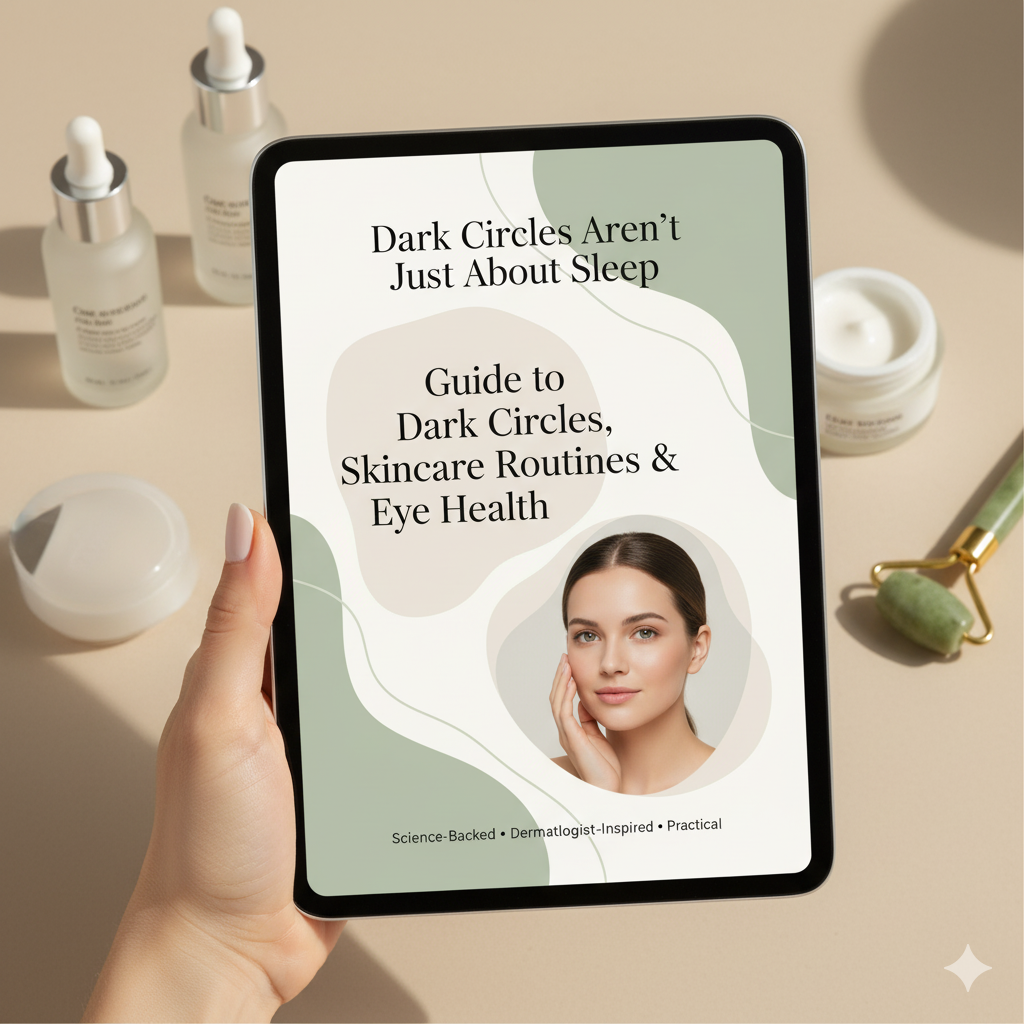
If you’re tired of guessing what works and wasting money on eye creams that don’t deliver, I’ve created a ready-to-use, dermatologist-informed PDF guide that breaks everything down step by step—from the real causes of dark circles to daily routines, ingredient science, blue-light protection, and professional treatment options.
It’s designed to be simple, printable, and practical, so you can finally take control of your under-eye health instead of chasing trends.
Get the complete “Guide to Dark Circles, Skincare Routines & Eye Health” here:
https://payhip.com/b/mvl41
If you’re serious about brighter, healthier under-eyes—and results that actually last—this guide does the thinking for you.
Recommended Luxury-Lean Eye Care Solutions (Amazon Picks)
If you’re serious about real results for dark circles, fine lines, and overall eye-area health, choosing products with scientifically supported ingredients makes all the difference. Unlike generic, cheap creams that often rely on basic hydration or fragrance fillers, the options below are packed with actives shown to support collagen, circulation, pigmentation balance, and skin barrier health—exactly what your under-eyes need:
• Beauty of Joseon Revive Eye Serum Ginseng & Retinal – A standout eye serum that combines retinal (a highly effective retinoid for cell turnover and texture) with ginseng extracts to brighten, firm, and strengthen delicate under-eye skin. With thousands of glowing reviews, this is a premium choice for both anti-aging and pigmentation concerns—outcomes that cheap gels rarely deliver.
• K‑Secret Seoul 1988 Eye Cream Retinal Liposome 4% – Featuring a potent retinal complex plus fermented liposomes, this eye cream promotes deeper penetration and more noticeable improvement in fine lines and dark circles than standard moisturizers. Its rich hydration and active delivery system elevate it above simple, low-impact options.
• ClayCo Ginseng Cica Eye Cream with Retinal – Blends retinal plus soothing cica and ginseng for users with sensitive skin who want strong results without irritation. This kind of formulation supports barrier repair while addressing pigmentation and texture.
• mCaffeine Coffee Under Eye Cream (budget option) & Mamaearth Bye Bye Dark Circles Eye Cream – While lighter on potent actives, these remain solid entry-level choices with caffeine and niacinamide to help temporarily brighten and de-puff—good supplemental steps if you’re building up to stronger formulas.
Why choose these over cheap products? The key lies in purpose-driven ingredient science: retinoids support collagen synthesis and pigment refinement, botanical actives calm inflammation and enhance microcirculation, and targeted eye serums deliver actives where most moisturizers fail. Cheap eye creams often stop at superficial hydration, masking symptoms without resolving deeper structural or pigmentation issues—so investing in quality translates to visible, lasting improvement rather than short-lived moisture alone.
Unlock the potential of your hair with Nutree Cosmetics‘ Frontpage Collection. Experience the transformative power of keratin treatments, hair bondox, vegan keratin for hair, and natural hair straightener products. Elevate your hair care routine and let your locks shine with radiance and beauty.









Leave a comment