Introduction: More Than Just a Bad Night’s Sleep

Persistent dark circles under the eyes are a universal frustration, often unfairly attributed to a simple lack of sleep. While fatigue is a factor, the truth is that those stubborn shadows are rarely just about being tired. The real causes are often more complex, rooted in genetics, modern lifestyle habits, and even underlying health conditions. This article moves beyond the obvious explanations to reveal five science-backed, lesser-known reasons for dark circles, helping you understand what’s really going on—and what you can actually do about it.
1. It’s Not Just Fatigue—It Could Be an Iron Deficiency
Persistent dark circles can be an important sign of iron deficiency anemia. Iron is essential for producing hemoglobin, the protein in red blood cells that carries oxygen throughout the body. When iron levels are low, oxygen delivery to tissues is impaired. The delicate skin under the eyes can become pale, making the underlying blood vessels more visible and creating the distinct appearance of dark circles. Think of it like a sheer white curtain (pale skin) placed over dark furniture (blood vessels)—the underlying color becomes much more apparent.
Some individuals with low iron may notice their lower eyelids look unusually pale or even bluish. A simple self-check, known as the “Low-Iron Eyelid Check Method,” involves gently pulling down your lower eyelid to observe its color. This is a crucial takeaway because it shifts dark circles from a cosmetic issue to a potential health indicator that warrants a conversation with a doctor, especially if accompanied by other signs of anemia like fatigue, weakness, or shortness of breath.

2. Your Screen Time Is Causing “Digital” Discoloration
Blue light, also known as high-energy visible (HEV) light, is emitted from smartphones, computers, and LED lighting, making it a distinctly modern contributor to dark circles. With its short wavelength and high energy, blue light penetrates the skin more deeply than UVB rays, reaching the dermis where essential proteins like collagen and elastin are located.
Blue light affects the under-eye area in two primary ways: it can stimulate the production of melanin, leading to increased skin pigmentation (hyperpigmentation), which is especially noticeable in those with darker skin tones. It may also damage collagen, which gives skin its structure and firmness. This contributes to the thinning of the already delicate under-eye skin, making the blood vessels beneath more prominent and potentially accelerating the formation of fine lines.
3. Those Aren’t Shadows, They’re “Allergic Shiners”
Seasonal allergies and nasal congestion are a common but often overlooked cause of dark circles. When you’re congested, the small veins that drain from your eyes can become clogged. This blockage causes blood to pool in the tiny vessels under your eyes, which then dilate and appear darker through the thin skin. This specific phenomenon has a name: “allergic shiners.”
To make matters worse, the urge to rub itchy eyes during an allergy flare-up can damage the fragile blood vessels. This rubbing can cause them to break and release pigment into the surrounding skin, creating a form of post-inflammatory hyperpigmentation that intensifies the appearance of dark circles.
4. You’re Treating the Wrong Problem: Is It Pigment or Pooling?
Not all dark circles are the same, and understanding which type you have is critical to finding an effective solution. They generally fall into two main categories:
- Melanin-related (pigmented) dark circles: These circles appear brown or gray and are caused by an excess of melanin. They are often genetic, more common in darker skin tones, and can be worsened by sun exposure or inflammation from rubbing the eyes.
- Blood vessel-related (vascular) dark circles: These circles appear blue, purple, or shadowy. They are caused by the visibility of underlying blood vessels through the thin under-eye skin. Factors like poor circulation, fatigue, and allergies can make them more prominent.
The natural aging process makes both types more visible. The skin around the eyes is the thinnest on the body, and collagen loss makes it even more translucent over time. From our mid-20s onward, we lose about 1% of our collagen annually. During menopause, collagen loss accelerates, and we can lose up to 30% of skin thickness in just five years, making the underlying structures even more apparent.
5. Your Most Powerful Under-Eye Treatment Is Actually Sunscreen
Daily sun protection is one of the most crucial steps in managing and preventing dark circles, as sun exposure worsens both types. Ultraviolet (UV) radiation stimulates melanin production, which directly darkens pigmented (brown) circles. At the same time, UV rays break down collagen, which thins the skin over time and makes vascular (blue/purple) circles more prominent.
For the best protection, opt for mineral-based sunscreens that contain iron oxides. These ingredients are particularly effective because they block not just UV rays but also visible light, including the blue light that comes from both the sun and our digital screens.
Conclusion: A New Perspective on Tired Eyes
Dark circles are a complex issue with multiple underlying causes that go far beyond sleep deprivation. From iron levels and allergies to blue light exposure and the natural aging process, what you see under your eyes is often a clue to something deeper. Understanding the specific cause is the key to finding a solution that truly works.
Now that you know the hidden causes, which part of your daily routine will you rethink first?
🔔 Want a Clear, Science-Backed Plan to Fix Dark Circles for Good?
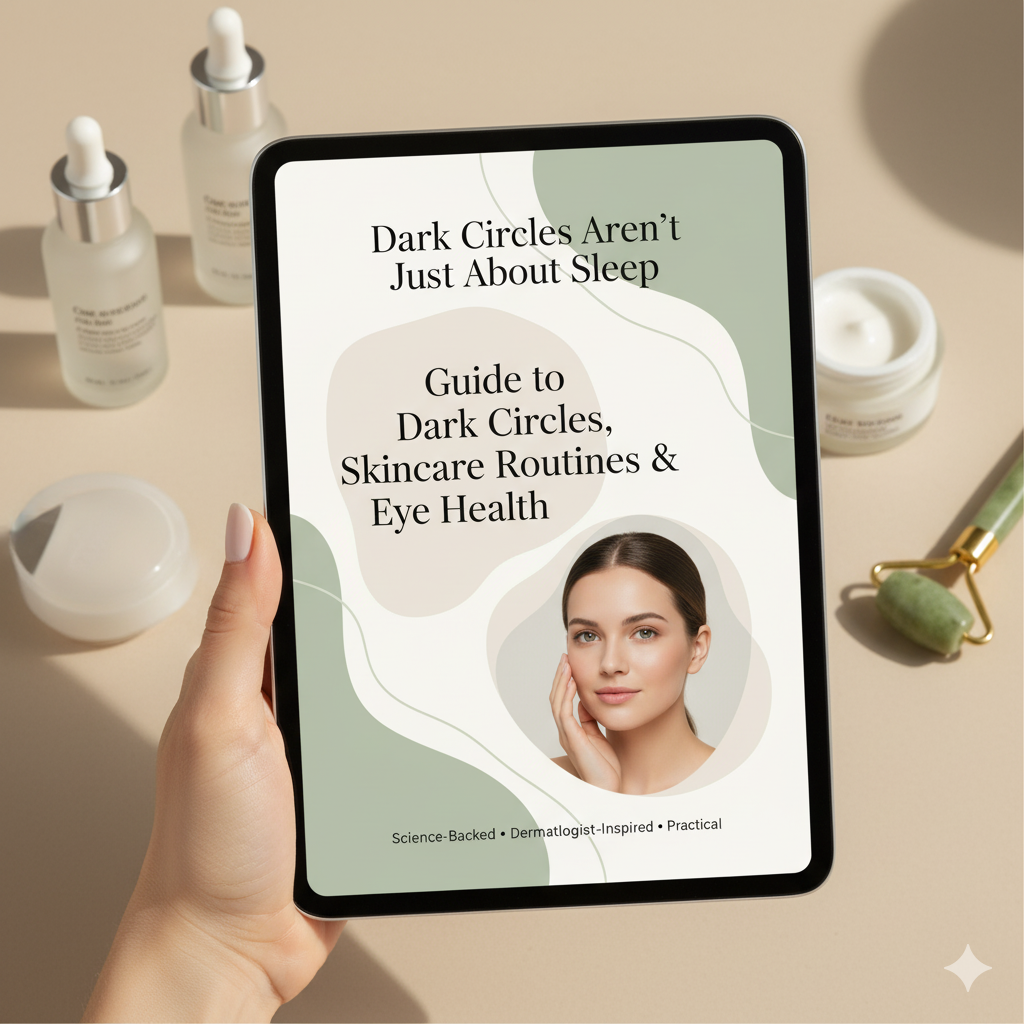
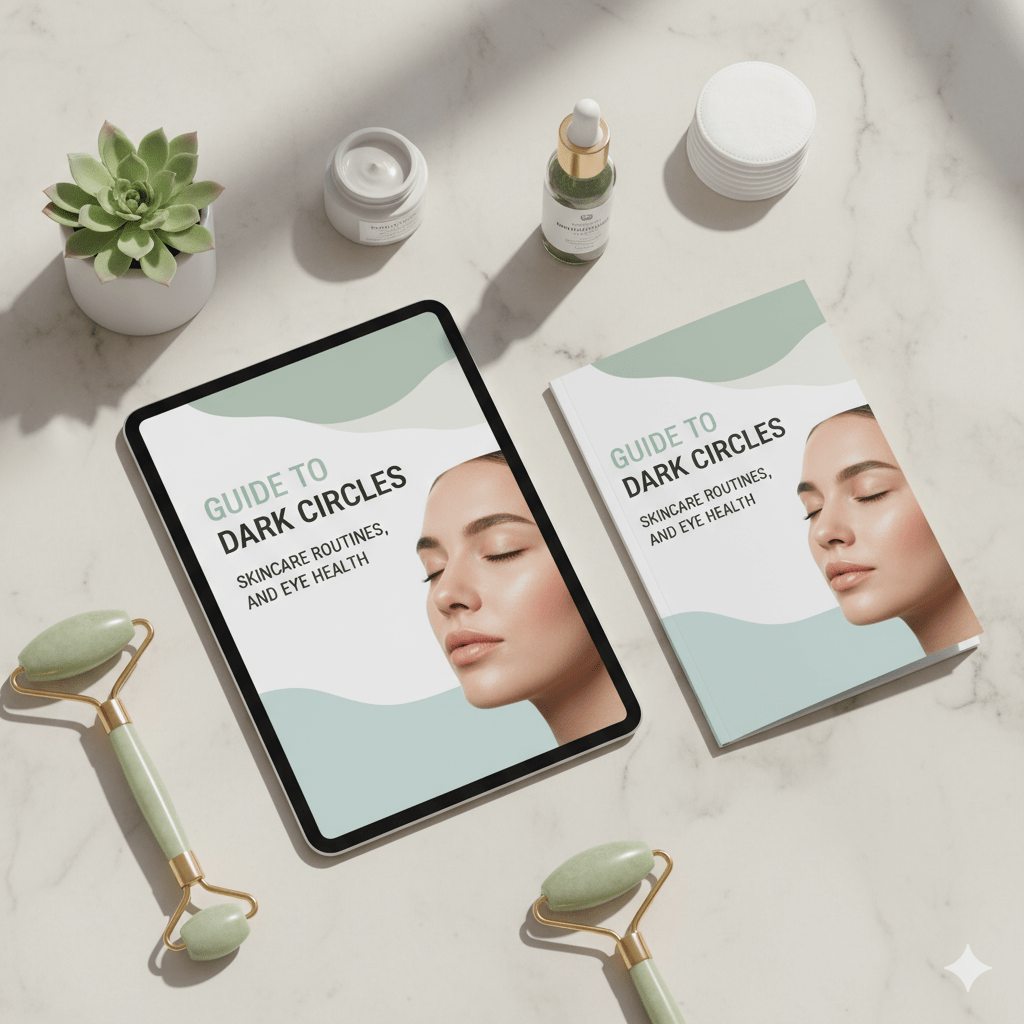
If you’re tired of guessing what works and wasting money on eye creams that don’t deliver, I’ve created a ready-to-use, dermatologist-informed PDF guide that breaks everything down step by step—from the real causes of dark circles to daily routines, ingredient science, blue-light protection, and professional treatment options.
It’s designed to be simple, printable, and practical, so you can finally take control of your under-eye health instead of chasing trends.
👉 Get the complete “Guide to Dark Circles, Skincare Routines & Eye Health” here:
🔗 https://payhip.com/b/mvl41
If you’re serious about brighter, healthier under-eyes—and results that actually last—this guide does the thinking for you.
Recommended Luxury-Lean Eye Care Solutions (Amazon Picks)
If you’re serious about real results for dark circles, fine lines, and overall eye-area health, choosing products with scientifically supported ingredients makes all the difference. Unlike generic, cheap creams that often rely on basic hydration or fragrance fillers, the options below are packed with actives shown to support collagen, circulation, pigmentation balance, and skin barrier health—exactly what your under-eyes need:
• Beauty of Joseon Revive Eye Serum Ginseng & Retinal – A standout eye serum that combines retinal (a highly effective retinoid for cell turnover and texture) with ginseng extracts to brighten, firm, and strengthen delicate under-eye skin. With thousands of glowing reviews, this is a premium choice for both anti-aging and pigmentation concerns—outcomes that cheap gels rarely deliver.
• K‑Secret Seoul 1988 Eye Cream Retinal Liposome 4% – Featuring a potent retinal complex plus fermented liposomes, this eye cream promotes deeper penetration and more noticeable improvement in fine lines and dark circles than standard moisturizers. Its rich hydration and active delivery system elevate it above simple, low-impact options.
• ClayCo Ginseng Cica Eye Cream with Retinal – Blends retinal plus soothing cica and ginseng for users with sensitive skin who want strong results without irritation. This kind of formulation supports barrier repair while addressing pigmentation and texture.
• mCaffeine Coffee Under Eye Cream (budget option) & Mamaearth Bye Bye Dark Circles Eye Cream – While lighter on potent actives, these remain solid entry-level choices with caffeine and niacinamide to help temporarily brighten and de-puff—good supplemental steps if you’re building up to stronger formulas.
Why choose these over cheap products? The key lies in purpose-driven ingredient science: retinoids support collagen synthesis and pigment refinement, botanical actives calm inflammation and enhance microcirculation, and targeted eye serums deliver actives where most moisturizers fail. Cheap eye creams often stop at superficial hydration, masking symptoms without resolving deeper structural or pigmentation issues—so investing in quality translates to visible, lasting improvement rather than short-lived moisture alone.
Unlock the potential of your hair with Nutree Cosmetics‘ Frontpage Collection. Experience the transformative power of keratin treatments, hair bondox, vegan keratin for hair, and natural hair straightener products. Elevate your hair care routine and let your locks shine with radiance and beauty.








Leave a comment