Introduction: The Healthy Eating Paradox
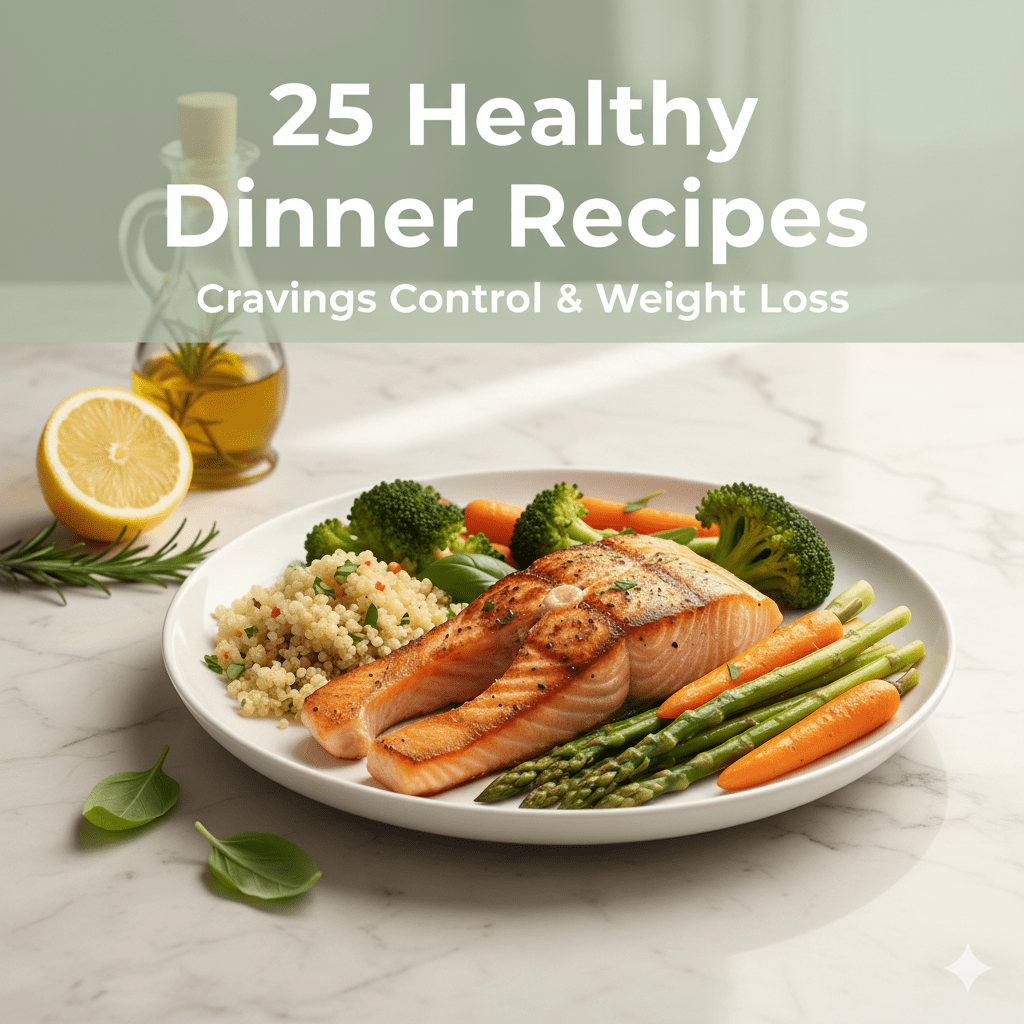
Trying to eat healthier can feel like a paradox. We’re bombarded with conflicting advice—eat more protein, eat fewer carbs, avoid fat, no, eat more fat. The effort to be healthy often leads to a cycle of frustration: we feel overwhelmed by complex recipes, bored by bland food, and ultimately defeated by plans that are too time-consuming to sustain. The journey toward better nutrition shouldn’t be a battle against our own preferences and schedules.
My analysis of dozens of expert guides, nutritional data sets, and strategic recipe collections revealed a core set of principles. The most effective strategies for long-term healthy eating aren’t about rigid rules or restriction. Instead, they involve surprising, often counter-intuitive, shifts in how we think about, prepare, and enjoy our food. It’s about working with our bodies’ signals and our cravings, not against them.
This post reveals the five most powerful and unexpected lessons that can make healthy eating more effective, sustainable, and genuinely enjoyable. These takeaways challenge conventional wisdom and offer practical strategies that prioritize flavor, convenience, and satisfaction—the true cornerstones of a successful nutritional plan.
1. You’ve Been Choosing the Wrong Cut of Chicken.
For decades, the boneless, skinless chicken breast has been hailed as the undisputed champion of lean protein. It’s the go-to for anyone watching their calorie and fat intake. However, a deeper analysis suggests that for everyday cooking and, more importantly, long-term dietary adherence, chicken thighs are often a superior choice.
According to insights from the “17 High Protein Chicken Recipes” guide, chicken thighs offer several practical advantages that make them a smarter pick for many meals. They possess a richer, more robust flavor due to a slightly higher fat content, which also makes them far less prone to drying out during cooking. This forgiving nature means they are easier to prepare, especially in one-pan or sheet-pan dinners where cooking times can vary. Furthermore, their juicier texture is often preferred by kids and adults alike, increasing the likelihood that the healthy meal you prepare will actually be eaten and enjoyed.
I personally lean towards cooking with chicken thighs much more frequently, especially for one-pan or sheet pan meals as they never dry out. And honestly my kids enjoy chicken thighs much more!
The strategic takeaway is clear: true dietary success is built on adherence. Sacrificing a minor caloric advantage for a massive gain in flavor, convenience, and enjoyment is not a compromise—it’s a winning strategy.
2. Fullness Isn’t Just About Protein—It’s About a ‘Nutrient Cocktail.’
It’s a well-established fact that protein is essential for satiety—the feeling of fullness that prevents overeating. But the story of what makes us feel full is more complex than just hitting a protein target. The science provides a clear explanation for the classic advice to “eat the rainbow.”
Analysis from “Highest Satiety Meals and Recipes,” which synthesized data from thousands of food logs, reveals that our bodies have a widespread “nutrient leverage” appetite. This means that beyond protein, our bodies are also seeking out a cocktail of essential micronutrients to feel truly satisfied. Specifically, minerals like potassium, calcium, and sodium, vitamins like folate, along with dietary fiber, play a significant role in reducing overall calorie consumption. Our bodies crave these micronutrients, and if they’re missing, we’re driven to keep eating until those needs are met.
While increasing the protein % of your diet aligns with a 25% reduction in calories, dialling in all the other nutrients represents a massive 36% reduction in calories!
This is the strategic reason a simple salmon and spinach salad is more satiating than an isolated protein shake with the same protein grams. To turn off hunger signals more effectively, a high-leverage strategy is to build meals around a variety of whole, nutrient-dense foods—leafy greens, colorful vegetables, and lean meats—that naturally contain this powerful “satiety cocktail.”
3. The Ultimate Pizza Craving Hack Involves Canned Chicken.
Intense cravings for comfort foods like pizza can derail even the most disciplined healthy eating plan. The conventional approach is to resist and deprive, but a more strategic culinary tactic is to find clever ways to re-engineer your favorite foods to fit your goals. One of the most radical and effective examples is a technique for a zero-carb pizza crust. This technique, detailed in recipe tutorials and validated in strategic culinary guides for its effectiveness, uses an unexpected pantry staple: canned chicken.
The process is shockingly simple. It involves just three ingredients: drained canned chicken, grated parmesan cheese, and one egg. When mixed together and pressed into a thin layer on a baking sheet, this high-protein combination bakes into a sturdy, golden-brown crust.
This unconventional base becomes the perfect vehicle for your favorite low-sugar tomato sauce, cheese, and other toppings. It directly satisfies the textural and flavor experience of eating pizza without the heavy carbohydrate load of a traditional flour-based dough. This out-of-the-box thinking is a powerful reminder that you don’t have to eliminate the foods you love. With a little creativity, you can re-engineer them to support your goals, turning a potential diet-breaker into a high-protein, craving-crushing meal.
4. ‘Lazy’ One-Pan Dinners Are Actually a Genius Strategy.
One of the biggest hurdles to eating healthy is the perception that it’s laborious. We imagine kitchens filled with multiple pots and pans, complicated steps, and a mountain of cleanup. This “effort barrier” is often what drives us to choose convenient but unhealthy takeout on a busy weeknight. However, what if “lazy” cooking wasn’t a shortcut to be ashamed of, but a core strategy for success?
The “Strategic Culinary Guide” introduces an “Efficiency Model” that reframes convenience as a critical tool. The guide prioritizes the “Sheet-Pan and Skillet Advantage,” recognizing that single-vessel cooking methods are a genius strategy because they drastically minimize preparation time and cleanup. By cooking the protein and vegetables together on one pan, you streamline the entire process, making the healthy option less burdensome. The guide also highlights the “30-Minute Threshold,” noting that the most repeatable and sustainable weeknight meals are those that can be prepared in 30 minutes or less.
The effectiveness of a weight-loss plan is often directly proportional to its convenience.
Instead of feeling guilty for seeking an easier path, we should embrace it. A sheet-pan dinner isn’t lazy; it’s a brilliant strategic choice that removes the friction between you and your health goals. Embracing the ‘lazy’ one-pan dinner isn’t a shortcut; it’s a strategic maneuver that makes the path of least resistance the path to your goals.
5. Master Flavor Architecture to Feel Satisfied on Fewer Calories.
One of the primary reasons people abandon healthy eating plans is “palate fatigue”—the sheer boredom that comes from eating bland, uninspired “diet food.” When meals lack sensory excitement, we’re left feeling unsatisfied, which can trigger cravings for high-fat, high-calorie alternatives. The solution isn’t to add more fat or sugar; it’s to become a “Flavor Architect.”
This concept, outlined in the “Strategic Culinary Guide,” is a method for building powerful, complex flavor sensations using low-calorie ingredients. Instead of relying on fat for richness, this strategy uses three core pillars to create satisfaction:
- Acidity: Ingredients like lemon juice, lime, and various vinegars act as flavor enhancers. They “brighten” a dish, cutting through richness and providing a sense of completeness that helps signal to your brain that the meal is finished and satisfying.
- Umami: This deep, savory flavor is the key to satisfying cravings for comfort food. Ingredients like miso, parmesan cheese, capers, anchovies, and even sun-dried tomatoes deliver that satisfying, meaty depth without adding significant calories.
- Spice and Heat: Bold flavor profiles from ingredients like gochujang, harissa, chipotle peppers, and other spices provide sensory excitement. This prevents meals from becoming monotonous and keeps you engaged and interested in your food.
This approach is transformative because it shifts the focus from what you need to remove from your diet (fat, calories) to what you can add to it (vibrant, complex flavors). By mastering flavor architecture, you can make healthy food genuinely delicious and desirable, ensuring you feel satisfied on fewer calories.
Conclusion: Stop Following the Rules, Start Using a Strategy.
The common thread weaving through these five takeaways is a fundamental shift away from rigid, rule-based dieting and toward a more flexible, strategic approach to food. Sustainable success isn’t found in deprivation, counting every calorie, or eliminating entire food groups. It’s found in making smarter choices that align with how we actually live, cook, and eat.
It’s about choosing the chicken thigh because it’s more enjoyable, building meals that satisfy our body’s deep need for micronutrients, finding clever ways to indulge our cravings, embracing convenience as a tool, and making our food so flavorful that we never feel like we’re missing out. By adopting these strategies, healthy eating becomes less of a chore and more of an intuitive, empowering practice.
What’s one ‘healthy eating rule’ you’ve been following that might actually be making your journey harder, not easier?
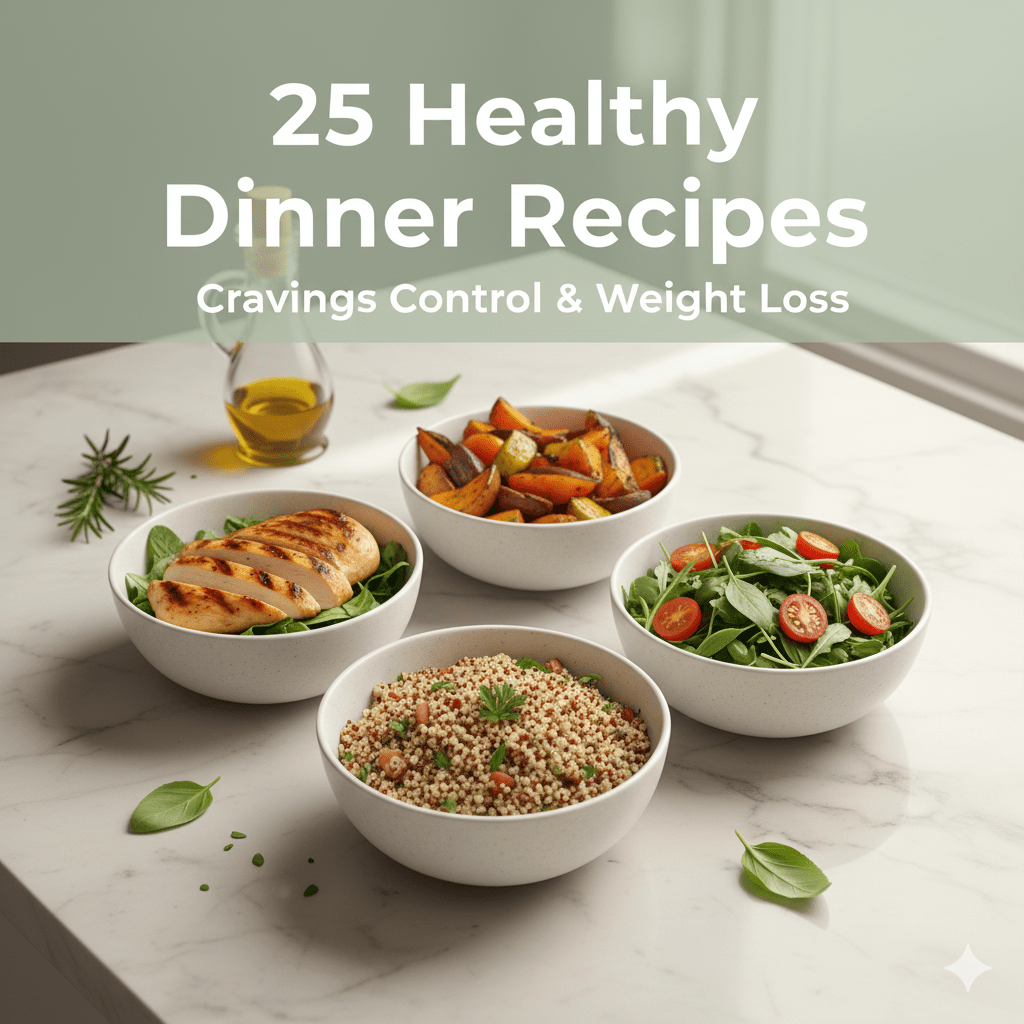





Leave a comment