Executive Summary
A high-protein diet is a consistently effective strategy for weight loss, supported by its impact on satiety, metabolism, and appetite-regulating hormones. For successful and sustainable weight loss, meals should contain approximately 20-30 grams of high-quality protein, spaced throughout the day. Key mechanisms driving protein’s effectiveness include its higher thermic effect of food (TEF), which boosts calorie burn during digestion, and its ability to preserve lean muscle mass during a caloric deficit. Furthermore, protein significantly influences appetite by increasing satiety hormones like GLP-1 and PYY while reducing the hunger hormone ghrelin.
Successful implementation involves incorporating a variety of lean animal and plant-based protein sources, such as chicken, fish, beans, lentils, and tofu, into well-balanced meals. Winter meals, in particular, can be both comforting and effective for weight loss by featuring seasonal produce like kale, sweet potatoes, and broccoli in hearty soups, stews, and casseroles. A crucial complementary strategy is a high fiber intake, particularly from legumes and vegetables, which enhances satiety and supports consistent weight management. Common mistakes to avoid include consuming too little or too much protein, failing to space intake evenly, relying on low-quality or processed sources, and neglecting the benefits of plant-based proteins.
The Role and Mechanisms of Protein in Weight Management
High-protein diets are a well-documented tool for weight loss, obesity prevention, and reducing the risks of related illnesses. The effectiveness stems from several physiological mechanisms that influence satiety, metabolism, and body composition.
Core Benefits of High-Protein Dinners
- Increased Satiety and Reduced Cravings: Protein helps regulate hunger hormones like ghrelin, leading to a faster feeling of fullness and longer satisfaction after meals. This reduces overall calorie intake by minimizing cravings and overeating.
- Boosted Metabolism: Protein has a higher thermic effect of food (TEF) compared to carbohydrates and fats, meaning the body burns more calories digesting it. Reported TEF values are 20-30% for protein, versus 5-10% for carbohydrates and 0-3% for fat.
- Preservation of Lean Muscle Mass: When combined with exercise, adequate protein intake promotes the growth and repair of lean muscle. This is critical during weight loss to ensure that lost weight comes from fat rather than muscle, which in turn helps maintain a higher resting metabolism.
Recommended Protein Intake
For weight loss, a general guideline is to consume 20 to 30 grams of high-quality protein per main meal (breakfast, lunch, and dinner). This equates to approximately 3 to 4 ounces of a protein source, occupying about one-quarter to one-third of the plate.
The recommended macronutrient ratios for an adult diet focused on weight loss are:
- Protein: 40-50%
- Fat: 30-40%
- Carbohydrates: 10-30%
Impact on Appetite Hormones
Dietary protein has a significant effect on the peripheral hormones that regulate appetite, contributing to its satiety-inducing effects.
- Anorexigenic (Satiety) Hormones: High-protein diets have been shown to increase the release of glucagon-like peptide (GLP-1) and peptide YY (PYY), both of which are anorexigenic hormones that signal fullness to the brain.
- Orexigenic (Hunger) Hormones: Protein consumption leads to a greater reduction in ghrelin, the primary orexigenic hormone that stimulates appetite. This suppression helps control hunger between meals.
- Other Hormones: The impact on other hormones like cholecystokinin (CCK) has also been observed, though effects may differ between genders. Leptin levels have been noted to increase more slowly during weight regain on a high-protein diet.
High-Protein Meal Strategies and Recipes
A successful high-protein diet relies on variety and strategic meal planning. Incorporating comforting, nutrient-dense meals, especially during winter, can enhance adherence and satisfaction.
Key Food Groups and Ingredients
- Lean Proteins: Chicken (especially breast), turkey, lean beef (e.g., 5% fat mince, rump roast), bison, fish (salmon, cod, haddock), seafood (shrimp, scallops), and eggs are primary sources.
- Plant-Based Proteins: Beans (black, white, kidney, chickpeas), lentils (red, green, brown), tofu, and quinoa are excellent vegetarian sources. Nuts and seeds (hemp, flax, pumpkin, sunflower) can be used to “complete” plant proteins and add nutrients.
- Fiber-Rich Vegetables: Winter produce like kale, broccoli, spinach, sweet potatoes, Brussels sprouts, and cauliflower are low in calories and high in fiber, enhancing fullness.
- Healthy Fats: Sources like avocado, olive oil, nuts, and walnuts are important for overall health and satisfaction.
- High-Protein Grains: Quinoa, farro, and barley can be used in place of refined grains. High-protein pasta, such as black soybean spaghetti, is also an effective option.
Sample High-Protein Meal Formats
The source materials provide a wide array of meal ideas suitable for a high-protein weight loss plan.
| Meal Category | Examples from Source Context |
| Soups & Stews | Garlicky White Bean & Kale Stew, Loaded Broccoli & Chicken Soup, Red Lentil Soup with Saffron, Healthy Chilli Con Carne, Creamy White Chili, Turkey Taco Soup |
| Casseroles & Bakes | Chicken Fajita Rice Bake, Chickpea Casserole with Spinach & Feta, Breakfast Burrito Egg Casserole, Healthier Chicken Pot Pie, Vegan Baked Spaghetti |
| Skillet Meals | Creamy Skillet Chicken with Apples, High-Protein Chicken & Sweet Potato Enchilada Skillet, Spicy Chicken & Cabbage Stir-Fry, Vegetarian Stuffed Pepper Skillet |
| Pasta Dishes | Creamy Spaghetti with Brussels Sprouts, Spinach & Artichoke Dip Pasta, Baked Creamed Spinach Pasta, High Protein Pasta with Broccoli and Red Peppers |
| Salads & Bowls | Kale & Sweet Potato Salad with Chicken, Black Bean-Quinoa Bowl, Rainbow Grain Bowl with Cashew Sauce, Tofu Zoodle Bowls |
| Burgers & Wraps | Air Fryer Turkey Burgers, Tuna Burgers with Smashed Avocado, Cilantro Bean Burgers, Thai Beef Lettuce Wraps |
| Quiches | Spinach & Mushroom Quiche, Broccoli, White Bean & Cheese Quiche (crustless) |
| Stuffed Vegetables | Spinach & Artichoke–Stuffed Butternut Squash, Buffalo Chicken Stuffed Sweet Potatoes |
The Critical Role of Fiber
Multiple sources emphasize the synergistic relationship between protein and fiber for weight loss. A high-fiber diet, particularly from beans, lentils, and vegetables, is crucial for satiation. One user experience from Reddit highlights that combining high protein with high fiber (averaging 70-80g daily) was a “cheat code” for consistent weight loss, effectively turning off hunger signals. This user successfully lost 100 lbs (35 lbs in two months) by making beans, supplemented with seeds, 80% of their diet.
Common Mistakes and Best Practices
To maximize the benefits of a high-protein diet for weight loss, it is crucial to avoid common errors in implementation.
1. Consuming the Incorrect Amount of Protein
- Too Little: Insufficient protein intake can lead to constant cravings, weakness, lethargy, and the inability to build or preserve muscle.
- Too Much: Excess protein can lead to unintended weight gain, constipation (due to lack of fiber), dehydration, and potential kidney strain in individuals with pre-existing conditions. Consulting a dietitian is recommended to determine personal needs.
2. Poor Timing and Distribution
- Mistake: Consuming the majority of daily protein in a single meal.
- Best Practice: Spread protein intake evenly across all meals and snacks, aiming for 20 to 30 grams per meal. This helps maintain steady energy levels, control hunger, and optimize muscle repair and growth.
3. Overlooking Protein Quality and Variety
- Mistake: Relying heavily on processed proteins or eating the same protein source daily.
- Best Practice: Prioritize high-quality, lean protein sources. While processed and red meats are protein sources, they are higher in saturated fat and sodium and have been linked to increased cancer risk. Protein shakes and bars should be treated as supplements, not primary sources. Varying protein intake (e.g., fish, poultry, beans, tofu) ensures a wider range of nutrients.
4. Ignoring Plant-Based Proteins
- Mistake: Believing that high-quality protein only comes from animal sources.
- Best Practice: Incorporate a variety of plant-based proteins like legumes, tofu, and quinoa. These sources are rich in fiber, vitamins, and minerals, contributing to heart and digestive health. Vegetarians and vegans should consume a mix of plant proteins to ensure they receive all essential amino acids.
5. Practical Cooking and Preparation Tips
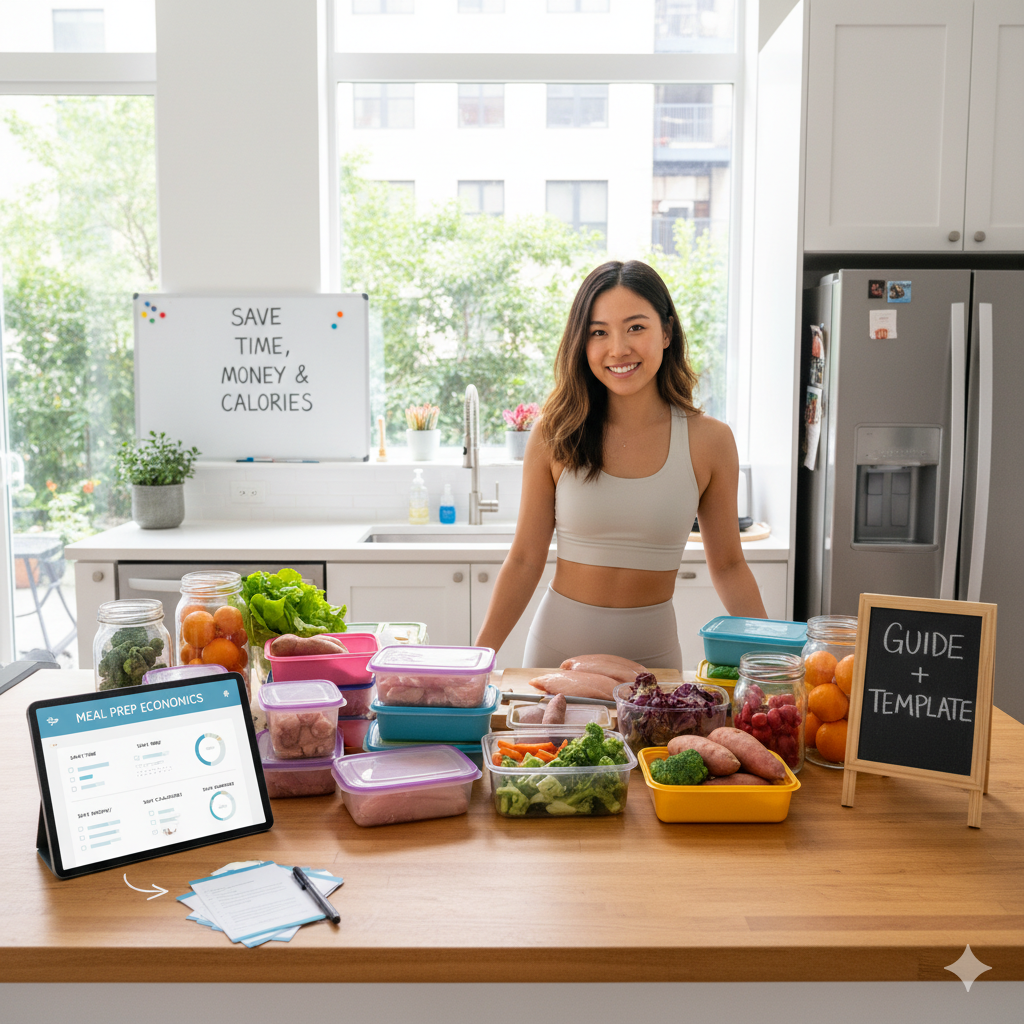
- Meal Prep: Pre-cooking meals like chilli, soups, and casseroles is highly effective. Many dishes, such as chilli con carne, taste even better the next day.
- Reduce Gas from Beans: To mitigate digestive issues from increased bean consumption, soak dried beans overnight (in the fridge to prevent bacterial growth), discard the water, and rinse before cooking. Adding a small amount of baking soda during cooking can also help.
- Increase Protein in Sauces/Soups: Blend beans, lentils, or tofu into soups to add creaminess, fiber, and protein while cutting calories from cream. Replace mayonnaise with Greek yogurt in dressings and sauces.



Leave a comment