The 10 Best Zero-Waste Swaps That Still Work in 2025
Forget trendy hacks—these time-tested, realistic zero-waste swaps have survived a decade of daily life. Here’s how they help you save money, reduce waste, and live sustainably in today’s world.
After 10 years of living a zero-waste lifestyle, I’ve tried a lot of eco-friendly swaps—some helpful, some… unhinged. But these 10 swaps? They’ve actually stood the test of time. These aren’t just trendy swaps—they’re practical, realistic, and worth sticking with in 2025 and beyond. Here are the zero-waste habits I still use today to save money, reduce waste, and live more sustainably.
1. A Good Reusable Water Bottle
One of the first habits I locked in was using a quality stainless steel or glass reusable water bottle instead of single-use plastic bottles. It sounds basic, but over a decade, it’s saved dozens of plastic bottles and hundreds of rupees spent on bottled water. According to guidance on zero-waste living, replacing single-use water bottles is among the easiest swaps you can make.
Tip: Pick a bottle you’ll actually carry with you—durable, leak-proof, and a good size. Because if it stays at home, you’ll still buy plastic on the go.
2. Cloth/Canvas Shopping Bags Always in the Car or Bag
Over ten years I became that person with a foldable tote or canvas bag tucked in every bag/vehicle. Reusable grocery and produce bags reduce the need for plastic bags at markets or store checkouts. One blog notes that choosing your own bags is a foundational zero-waste move.
Tip: Keep a spare bag hanging in your car or near your door so you don’t forget when shopping.
3. Meal-Planning + Bulk/Bulk-Buying Basics
Food waste is one major overlooked piece of the zero-waste puzzle. After years of trial, I still plan my meals, buy fewer impulse packaged items, and keep reusable containers for leftovers. This saves money and reduces the rotten food in the bin. A zero-waste guide emphasizes meal planning as a high-impact habit.
Tip: Try treating leftovers as the next day’s “new meal”—this mindset shift changes how you view waste.
4. Reusable Travel Coffee Cup & Drinkware
I swapped disposable coffee cups and lids for a nice reusable mug, and it stuck. Many cafés now give a discount for bringing your own, so you also save money. This swap is often mentioned among the “easy go-to” zero-waste moves.
Tip: Choose a mug you truly like—the nicer it is, the more you’ll use it.
5. Bar Soaps / Shampoo Bars & Long-Lasting Bathroom Basics
My bathroom shelf changed slowly: I now use shampoo bars (or refill bottles), a metal safety razor instead of disposables, a bamboo toothbrush, etc. These “low-waste bathroom” habits may seem small, but over a decade, they made a difference. Many sources highlight these swaps.
Tip: Test one change at a time—replace your razor, then your toothbrush, then your shampoo, rather than all at once.
6. Composting & Food-Scrap Management
Around year 3 I started composting food scraps (or sending them to community compost bins). It reduced my kitchen waste substantially. The principle of “rot” (composting organic matter) is a core part of sustainable zero-waste living.
Tip: Start small—a countertop compost bin or a small outdoor one if space allows. Even if you don’t compost everything, the habit matters.
7. Buying Durable, Repairable Products & Avoiding Trendy Junk
This one matured over time. Early on I’d try every “cute eco-swap” gadget. Now I aim for durability: items I can repair, reuse, and pass on, not toss. The concept of “pre-cycling” (choosing products that lead to less waste) underpins this.
Tip: When considering a purchase, ask, “How long will I keep this? Can it be repaired? Will it end up in a landfill next year?”
8. Saying No to Single-Use Plastics: Straws, Cutlery, Bags
Yes, years later I still carry a small set of reusable straws/utensils and refuse single-use plastic cutlery when eating out. Although it’s a basic habit, its longevity is impressive. Many zero-waste swap lists include this.
Tip: Carry a small pouch of reusable utensils in your bag so you’re prepared everywhere.
9. Second-Hand / Thrift Shopping & Reducing Fast Fashion
One of the more meaningful habits is buying less new clothing, choosing second-hand when possible, or buying high-quality pieces that last long. Many zero-waste writers highlight wardrobe habits as part of the practice.
Tip: When new clothing is required, ask yourself, “Will I wear this at least 30 times?” If no, skip it.
10. Mindset Shift: Less Waste, Not Perfect Zero
Perhaps the most important habit is accepting that aiming for zero waste is not about perfection, but persistence. After ten years I still send waste to landfill, but the volume is far lower, and I make smarter choices almost automatically. Many guides emphasize realistic goals, not idealistic perfection.
Tip: Instead of “I’ll never produce any waste,” try “I’ll reduce my waste this week by one item.” Small wins build momentum.
Why These Still Work in 2025 and Beyond
- They aren’t just “trendy eco-swaps” but habits built into daily life.
- Many align with financial savings (reusable vs disposable).
- They reduce the mental load of switching all the time—you adopt once and stick.
- With increasing global awareness of the circular economy and sustainable tech, these habits are more relevant now.
- They scale: as you carry these habits for years, you become faster, smarter, and less wasteful almost by default.
Final Thoughts
If you’re beginning your zero-waste journey or wondering which swaps are truly worth your time—start with these ten. They’re real, realistic, and built for the long haul. Over a decade I’ve seen the difference—not because every swap was perfect, but because I stuck with what worked.
Choose the ones that make sense for your life, build slowly, and you’ll thank yourself (and the planet) in 2025 and beyond.
🌿 Tried-and-True Zero Waste Essentials That Still Work

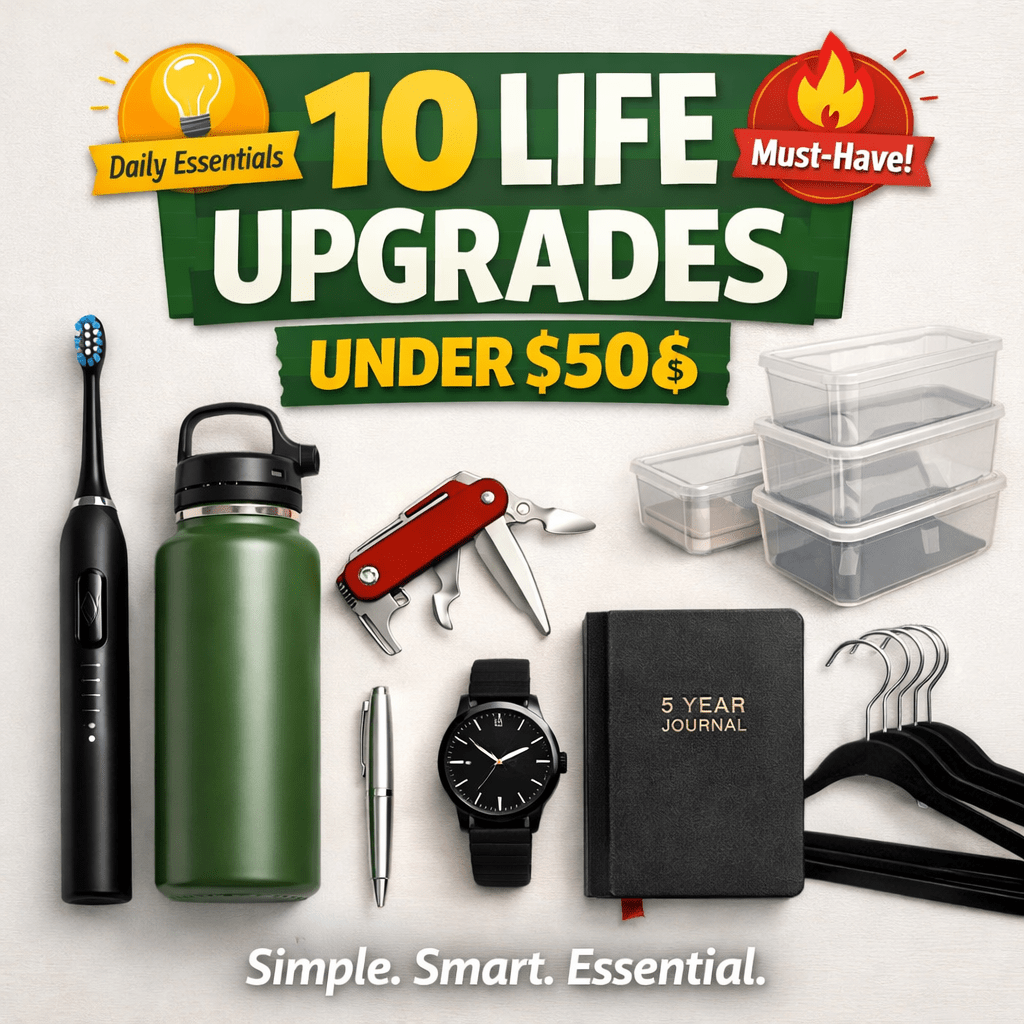
After a decade of trial and error, I’ve learned that a few well-chosen products can make living sustainably a lot easier—and more realistic. My stainless steel reusable water bottle is practically an extension of my hand at this point. It’s leak-proof, lasts forever, and has saved me countless plastic bottles (and a surprising amount of money). I always keep a foldable canvas tote and reusable produce bag set in my car and backpack—no more last-minute plastic bag guilt at the checkout counter.
In my bathroom, I’ve swapped to a bamboo toothbrush, solid shampoo bar, and metal safety razor—simple upgrades that have cut down on plastic waste and clutter. My reusable travel coffee cup might just be my favorite; it’s earned me discounts at cafés and feels good to use every time. And in the kitchen, my zero-waste starter kit—complete with beeswax wraps, silicone food bags, and compostable scrubbers—helps me skip cling film and single-use plastic entirely.
Each of these swaps has stood the test of time—durable, easy to maintain, and truly useful day after day. They’re not just eco trends; they’re smart, sustainable investments that fit seamlessly into daily life in 2025 and beyond.
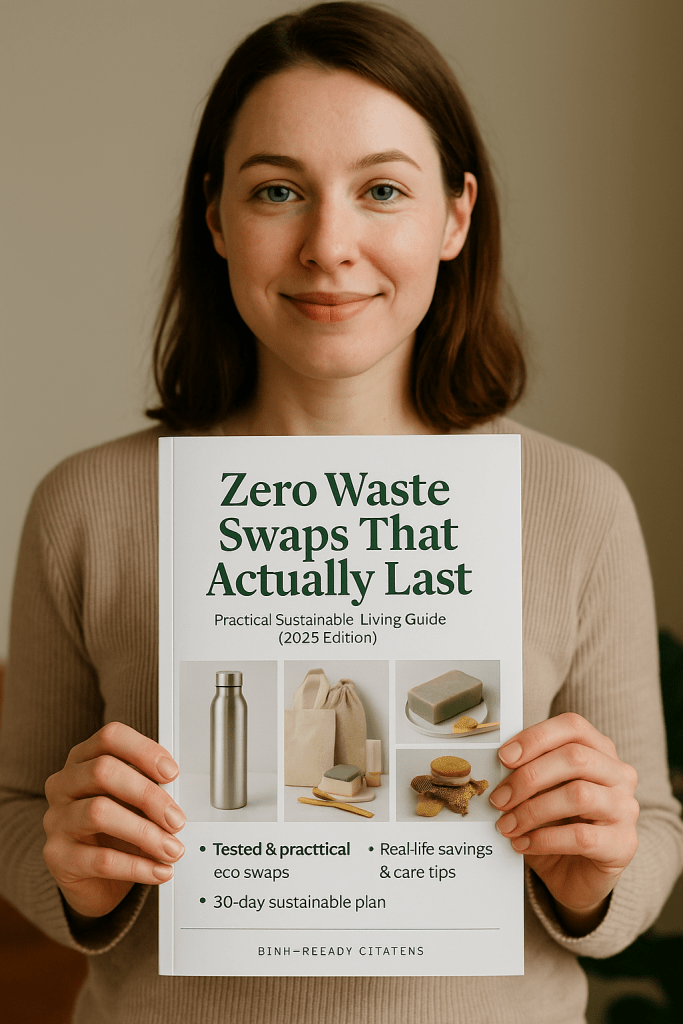
If you’re ready to make your sustainability habits stick for the long run, I’ve put everything I’ve learned over 10 years of living zero-waste into one powerful resource—the Zero Waste Swaps That Actually Last Guide. 🌿
It’s a beautifully designed, printable guide that walks you through practical, time-tested swaps that really work—no trendy clutter, just smart, sustainable habits that save you money and reduce waste every single day.
👉 Download your copy here: https://payhip.com/b/0zXbF



Leave a comment